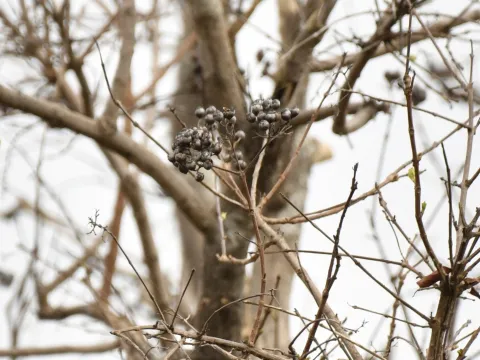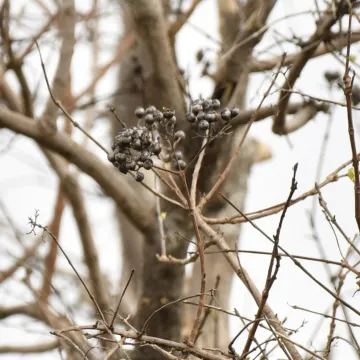
Crossopteryx febrifuga
Crossopteryx febrifuga
Description
Crossopteryx febrifuga is a distinct woody plant belonging to the Rubiaceae family. Known commonly in its native range as a fever tree, it functions as both a shrub and a small tree. It is highly regarded for its biological compounds, which have been utilized for centuries in traditional healing practices throughout the African continent.
The native distribution of this species spans the savanna and woodland regions of tropical Africa. It is found in a wide variety of habitats, ranging from Senegal to Ethiopia. The plant is evolutionarily adapted to cope with distinct wet and dry seasons, making it a robust species capable of surviving in harsh, arid, and semi-arid environments.
Botanically, the plant is identified by its opposite, often hairy leaves and dense terminal inflorescences featuring small, fragrant flowers. The fruit is a subglobose capsule that houses the seeds. The root system is deep and expansive, facilitating the uptake of nutrients from nutrient-poor lateritic soils common in its natural range.
In terms of agricultural management, Crossopteryx febrifuga requires well-drained soils and full sun exposure to thrive. While it is hardy once established, early development requires protection from aggressive weed competition. Cultivation practices involve seed propagation, with minimal irrigation needs after the initial establishment phase, provided the planting site matches its natural ecological niche.
The primary economic value of the plant lies in its ethnobotanical applications. The bark is harvested for its alkaloids, which are effective in treating febrile illnesses and parasitic infections. Beyond medicine, the wood is utilized for its durability and resistance to termites, making it suitable for local tool-making and construction tasks in rural settings.
- High resistance to environmental stress.
- Significant pharmacological potential.
- Durable wood quality.
- Adaptable to diverse tropical soil types.
Photo gallery