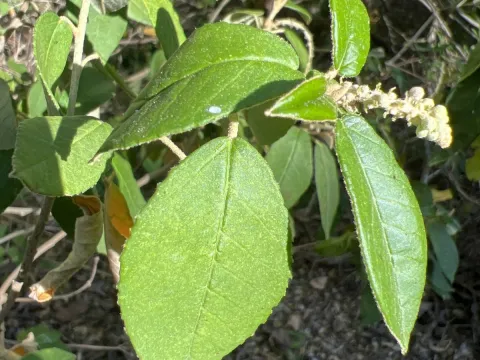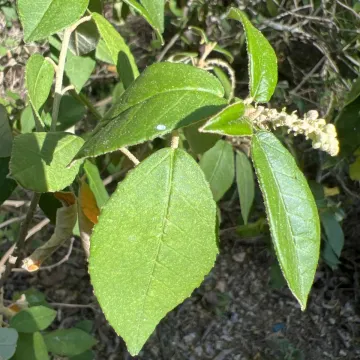
Croton cortesianus
Croton cortesianus
Description
Croton cortesianus is a perennial shrub belonging to the Euphorbiaceae family, widely known for its complex chemical composition and distinctive morphological features. This plant is a significant botanical species within its native range, often researched for its potential pharmacological properties and its role in tropical ecosystems.
The origin of Croton cortesianus is traced to the tropical regions of Central America and Mexico. It naturally thrives in diverse environments, ranging from deciduous forests to rocky outcrops. Its ability to colonize areas with thin, nutrient-poor soil makes it a resilient plant, well-adapted to the distinct wet and dry seasonal cycles prevalent in its native habitats.
Botanically, this species is characterized by its alternate leaves often covered in stellate hairs, which serve as a protective mechanism against intense heat. The plant develops small, clustered flowers and a robust stem structure. The bark and leaves are known to produce secondary metabolites, including terpenes and phenols, which are of significant interest for chemical and industrial research.
Cultivation of this species requires a warm climate and a well-draining soil profile. Agronomic efforts should focus on preventing waterlogging, as the root system is highly susceptible to fungal infections if exposed to anaerobic conditions. Proper spacing and full sun exposure are critical to ensure vigorous vegetative growth and the accumulation of natural compounds in the foliage.
The primary use of Croton cortesianus centers on the extraction of compounds for traditional medicine, acting as an antiseptic and medicinal agent. In controlled cultivation environments, producers must monitor for common pests such as aphids and whiteflies. Proper integrated pest management is essential to maintain the structural integrity of the plant and ensure the yield of raw material.
- Requires well-draining, loose soil
- Thrives in full sun to partial shade
- Sensitive to frost and freezing temperatures
- Useful for traditional medicinal preparations
Photo gallery