Croton floribundus
Croton floribundus
Description
Croton floribundus is a notable tree species belonging to the Euphorbiaceae family. Widely recognized in tropical silviculture, this species is appreciated for its structural role in reforestation efforts. It is a robust, evergreen tree that contributes significantly to canopy development in the ecosystems where it naturally thrives.
Native to South America, particularly Brazil, this species prefers the climate of tropical moist forests. It typically grows in areas with well-distributed annual rainfall and warm temperatures, avoiding extreme frost or prolonged drought. The tree is well-adapted to competitive environments, showing rapid growth when provided with adequate space and light.
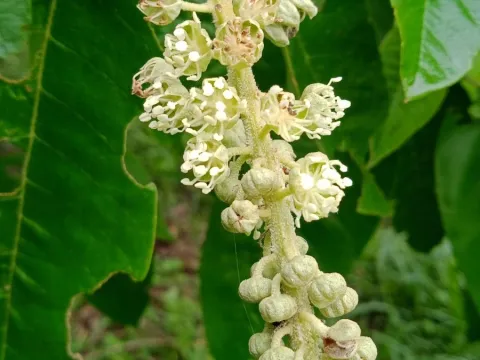
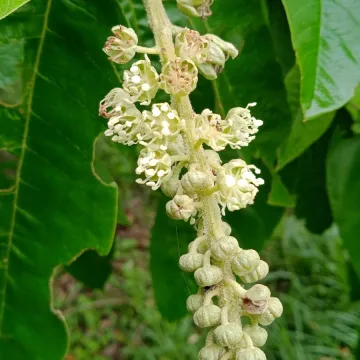
Botanically, Croton floribundus is characterized by its alternate, lanceolate leaves and dense, multi-flowered inflorescences from which its name is derived. The tree's bark is chemically complex, containing various secondary metabolites that have been studied for their potential medicinal applications, including anti-inflammatory and antiseptic properties.
Agrotechnical management of this culture involves careful selection of planting sites with fertile, loamy soils that allow for deep root penetration. While the species is relatively hardy once established, young saplings require consistent moisture levels and protection from intense direct sunlight. Maintenance of proper soil aeration is essential to prevent root rot in wetter seasons.
In terms of хозяйственное (economic) utility, the wood is utilized in localized construction, and the plant serves as a valuable resource in traditional medicine. Like many tropical species, it faces threats from fungal pathogens that thrive in high-humidity environments, as well as wood-boring insects. Sustainable management practices are key to ensuring the longevity of plantations.
- Scientific Classification: Family Euphorbiaceae.
- Preferred Habitat: Tropical humid forests.
- Growth Rate: Moderate to fast under optimal conditions.
- Key Management Task: Monitoring for soil drainage issues.
Photo gallery