
Hairy croton
Croton hirtus
Description
Hairy croton (Croton hirtus) is an annual herbaceous plant belonging to the diverse Euphorbiaceae family. In an agricultural context, it is frequently identified as a weed that colonizes disturbed habitats, field margins, and grazing lands, often competing with economically significant crops for nutrients, water, and sunlight.
The native range of this species is primarily centered in the tropical regions of the Americas, including the Caribbean. Over time, Croton hirtus has naturalized in various parts of Africa and Asia, proving itself to be a highly successful colonizer of tropical climates due to its rapid reproductive cycle and resilience against environmental stresses.
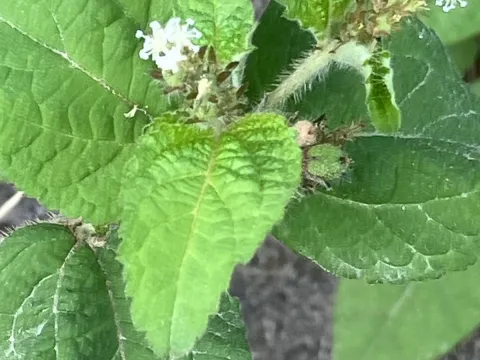
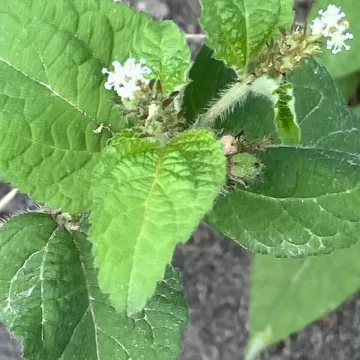
Botanically, the plant is characterized by its distinct trichomes (hairs) covering the stem and leaves, which provides protection against certain herbivores and moisture loss. It grows as a branched herb, typically reaching heights between 30 and 80 centimeters. The plant produces small flowers arranged in terminal or axillary racemes, followed by the development of capsules containing small, numerous seeds.
Regarding cultivation and soil requirements, Croton hirtus is not a traditional crop but rather a plant that thrives in well-drained, sun-exposed soils. It displays significant phenotypic plasticity, allowing it to adapt to varying fertility levels. Agronomic management strategies focus on preventing seed set, as the plant's ability to produce large seed banks poses a challenge for long-term weed control in affected fields.
The potential хозяйственное use of the species is currently limited to research, particularly in the study of its phytochemical properties. Some investigations highlight the presence of compounds that might possess pharmacological potential. However, until comprehensive agricultural practices are established, the primary focus remains on managing the species as an unwanted vegetation component in agroecosystems.
- Rapid growth and development cycles
- High reproductive potential through seed dispersal
- Ability to thrive in disturbed soil conditions
- Significant biomass production in optimal climates
Photo gallery