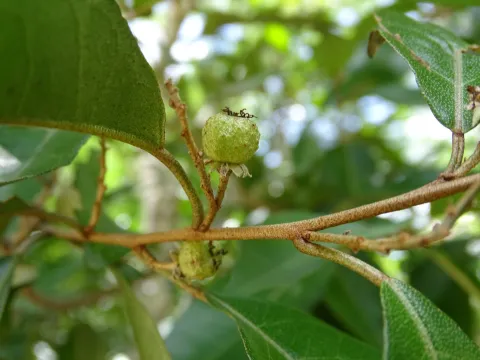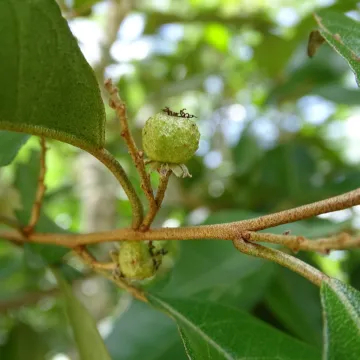

Croton nitens
Croton nitens
Description
Croton nitens is a perennial species belonging to the Euphorbiaceae family. As a significant botanical object, it is recognized for its adaptive capabilities in tropical environments and its complex chemical profile. This plant is studied for both its ecological role and its potential utility as a specialized agricultural crop in tropical regions.
The native range of Croton nitens is centered in the Caribbean, specifically documented in regions of Cuba. It thrives in tropical climates characterized by consistent temperatures and high precipitation levels. Large-scale cultivation is viable primarily in environments that mimic these native conditions, as the plant is highly sensitive to frost and extreme environmental stress which can jeopardize its growth cycle.
Botanically, the plant is characterized by its glossy, leather-like leaves and a resilient stem structure. It typically manifests as an evergreen shrub. The root system is deep and efficient at extracting nutrients from limestone-derived soils, which are common in its natural habitat. Flowers are usually arranged in racemes, facilitating pollination in its native ecosystem.
Agricultural success depends on providing well-drained soil and avoiding waterlogged conditions, which are detrimental to the root health of Croton nitens. The cultivation process requires careful soil management, including regular organic enrichment. While it is a robust plant, it requires consistent monitoring of its moisture levels to ensure that the foliage remains healthy and productive for its intended end use.
- Maintaining well-drained substrates to prevent root pathogens
- Strategic fertilization to optimize leaf quality
- Regular pruning to promote structural integrity
- Monitoring for common tropical pests and diseases
The commercial and industrial applications of Croton nitens are primarily linked to the pharmaceutical and cosmetics industries, where its extracts are utilized for their bioactive properties. Ongoing research into the chemical composition of this crop suggests that it may become increasingly valuable as a sustainable source of plant-based compounds, provided that agronomic practices are optimized for yield and quality.
Photo gallery