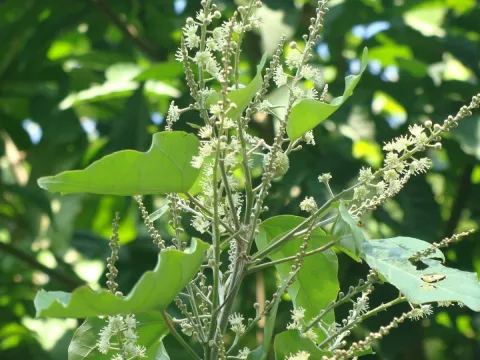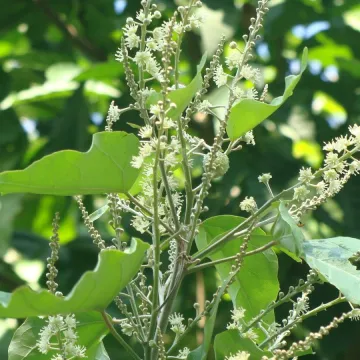
Croton reflexifolius
Croton reflexifolius
Description
Croton reflexifolius is a woody plant species belonging to the Euphorbiaceae family. As a member of the diverse Croton genus, it is recognized for its structural resilience and a complex chemical profile, which has sparked interest in both botanical research and the development of natural plant-based products.
Originating from the tropical regions of Central and South America, this species thrives in climates characterized by warm temperatures and distinct seasonal patterns. It is typically found in open forest areas and disturbed landscapes where it can compete effectively for sunlight and nutrients. Its geographic distribution is closely linked to specific ecological niches in the neotropics.
Botanically, the plant is characterized by its coriaceous leaves and a unique branching habit. The flowers are typically arranged in racemes, and the plant often displays protective coatings on its foliage to reduce transpiration. These structural adaptations allow the plant to withstand intermittent dry spells, making it a robust performer in its native environment.
Agronomic requirements for this crop focus on well-draining soil structures. Croton reflexifolius is highly intolerant of waterlogged conditions, which can lead to rapid root decay. For optimal growth, it requires a location with full exposure to sunlight and soils that are neutral to slightly acidic. In terms of maintenance, pruning is recommended to manage the plant's density and promote the production of desirable biomass.
The economic value of this crop is primarily rooted in its secondary metabolites. Research has highlighted the presence of terpenes and alkaloids that possess anti-inflammatory and antiseptic properties. Beyond medicinal uses, Croton reflexifolius is being evaluated for its potential in sustainable agriculture, specifically as a source for bio-based pesticides, which could offer an alternative to synthetic chemicals in pest control.
- Excellent adaptation to warm, tropical climates.
- Requires well-draining, aerated soil profiles.
- High potential for pharmaceutical and bio-pesticide research.
- Sensitivity to high humidity and poor air circulation.
Photo gallery