Crowea exalata
Crowea exalata F. Muell.
Description
Crowea exalata is an evergreen shrub belonging to the Rutaceae family. While not a conventional food crop, it holds significant value in the commercial nursery trade and ornamental horticulture sectors. Known for its compact habit and resilient nature, this plant is increasingly cultivated for its aesthetic appeal in temperate and Mediterranean-style climates.
Originating from the southeastern regions of Australia, the species thrives in well-drained, sandy soils often found in woodland understories or rocky habitats. Its adaptation to these specific ecological niches makes it a fascinating subject for controlled cultivation. Agronomists focus on replicating these natural conditions in greenhouses to ensure maximum plant health and consistent flowering cycles.
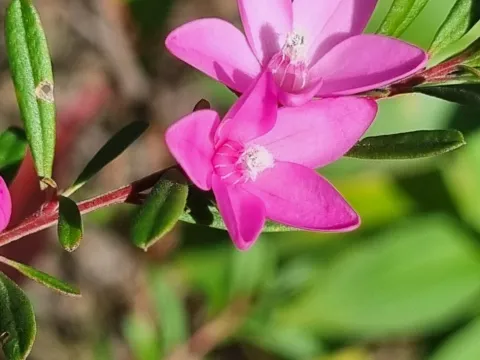
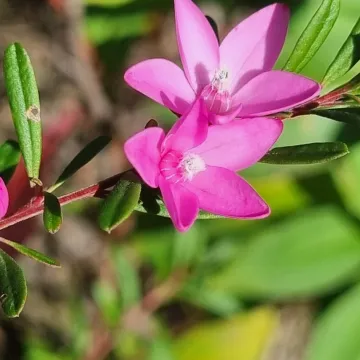
Botanically, the plant is characterized by its narrow, glossy, aromatic leaves and five-petaled star-shaped flowers. The foliage, when crushed, releases a citrus-like fragrance typical of the Rutaceae family. The plant typically reaches a height of one meter, creating a dense, rounded shrub structure that responds well to systematic pruning, which is essential for maintaining its desired commercial form.
Cultural requirements involve a strict adherence to soil moisture management and acidity. Crowea exalata requires a slightly acidic, well-draining potting mix to thrive. Overwatering is the most common cause of crop failure, as it promotes root rot pathogens such as Phytophthora. Providing sufficient light is equally important, as shaded conditions lead to leggy growth and significantly reduced floral yields.
In terms of agricultural utility, the plant is used primarily for its ornamental value in landscaping and as a pot plant. Common pests include spider mites and scale insects, which can be managed through regular monitoring and integrated pest management (IPM) practices. Proper sanitation in the nursery environment and early detection are key to maintaining high-quality, disease-free crops.
- Excellent drainage is vital for root health and vitality.
- Requires bright, indirect light for optimal development.
- Sensitive to heavy fertilizers; use balanced acidic plant food.
- Pruning should occur immediately after the flowering season.
Photo gallery