Crusea parviflora
Crusea parviflora
Description
Crusea parviflora is a herbaceous plant belonging to the Rubiaceae family. While it is not a widely recognized commercial field crop, it is of interest in botanical studies and specific horticultural niches, serving as an example of the diversity within the Madder family.
The species originates from Central and South America, particularly Mexico. Its native distribution suggests an adaptation to high-altitude or forest-edge environments where the climate provides moderate temperatures and varying levels of humidity throughout the growing season.
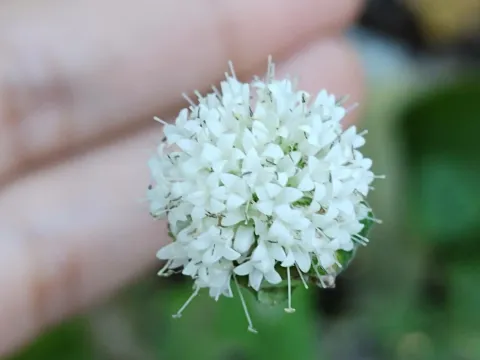
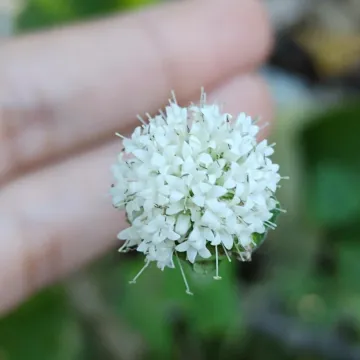
Botanically, the plant is characterized by slender, branching stems and small, lanceolate leaves arranged in opposite pairs. The hallmark of the species is its namesake small flowers, which form dense, head-like inflorescences. These structures are typical for the genus and contribute to the plant's overall modest yet distinct morphology.
Agronomic requirements for Crusea parviflora focus on soil drainage and temperature management. It thrives best in well-draining, slightly acidic soil mixes. In controlled environments, maintaining a steady moisture level is critical, as the root system is susceptible to decay if exposed to waterlogging for extended periods.
The main challenges in cultivating this plant include susceptibility to specific fungal infections and common greenhouse pests. Key management points include:
- Ensuring proper air circulation to prevent powdery mildew.
- Monitoring for spider mites during periods of low humidity.
- Applying light, balanced fertilization to support vegetative growth.
- Preventing soil compaction to facilitate root aeration.
Regarding its хозяйственное use, while not a mass-produced agricultural commodity, it maintains potential value in scientific research and specialized floriculture. Its biological properties, typical of the Rubiaceae, may offer insights into phytochemical characteristics relevant for future botanical exploration.
Photo gallery