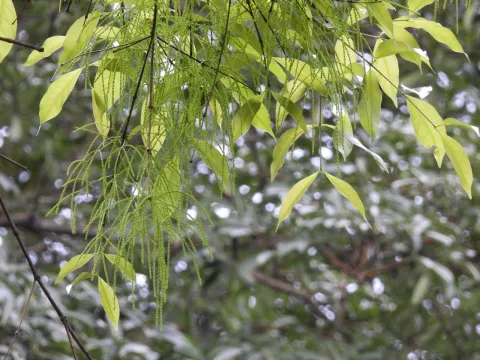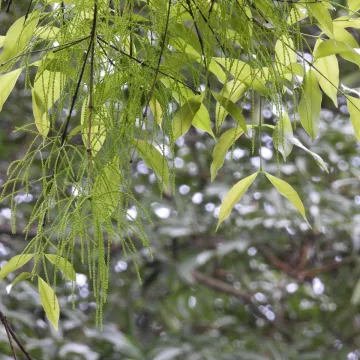
Crypteronia paniculata
Crypteronia paniculata
Description
Crypteronia paniculata is a notable evergreen tree species belonging to the Crypteroniaceae family. As a fast-growing woody plant, it is recognized for its significant structural contribution to tropical ecosystems. In its native habitat, it develops a robust canopy, making it a critical component of the forest structure.
The origin of this species is traced to the tropical regions of South and Southeast Asia, spanning countries such as India, Malaysia, and Indonesia. It thrives in humid environments, typically found in evergreen and semi-evergreen forests. Its natural distribution is largely determined by rainfall patterns and the availability of deep, nutrient-rich forest soils.
Botanically, Crypteronia paniculata is distinguished by its opposite leaf arrangement and small, numerous flowers grouped in distinctive paniculate inflorescences. The fruit consists of small capsules that release wind-dispersed seeds. The wood structure is characterized by moderate density, which allows the tree to grow relatively quickly compared to harder tropical timbers.
Agricultural and forestry management requires attention to soil moisture levels during the early stages of growth. While the species is quite hardy once established, it prefers well-drained soils and areas with consistent tropical temperatures. In agroforestry systems, it is often managed as a source of biomass or for enrichment planting in degraded forest zones to improve soil stability.
Main хозяйственные applications for this species include:
- Utilizing the timber for local construction and light wood applications.
- Inclusion in reforestation programs to accelerate forest cover recovery.
- Research into phytochemical compounds for medicinal and industrial potential.
- Providing shade and habitat in managed agroforestry landscapes.
Regarding health management, the tree is primarily affected by fungal pathogens that thrive in high-humidity conditions, leading to leaf spots or stem decay if drainage is poor. Pests, such as various lepidopteran larvae, may feed on the foliage. Integrated pest management, focusing on maintaining tree vigor and promoting natural biodiversity, is the preferred approach to mitigate damage.
Photo gallery