Cryptogramma japonica
Cryptogramma japonica
Description
Cryptogramma japonica, commonly known as the Japanese rock brake, is a perennial fern species belonging to the Pteridaceae family. It is a highly specialized plant adapted to life in cool, shaded rocky habitats, making it a distinct subject for gardeners and botanists interested in temperate ferns of Eastern Asian origin.
The native range of this species includes Japan, Korea, and parts of the Russian Far East. It is typically found in high-altitude environments, clinging to rocky crevices, scree slopes, and forest floors where the atmospheric humidity is high and the soil is characterized by excellent drainage and a high organic content from decaying leaf litter.
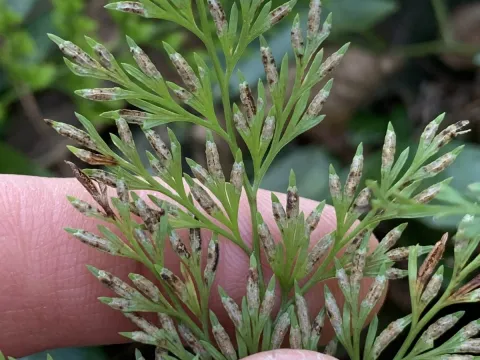
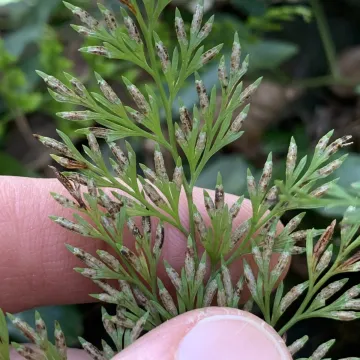
Botanically, Cryptogramma japonica exhibits pronounced dimorphism. The plant produces two distinct types of fronds: vegetative (sterile) fronds, which are typically wider and spread closer to the ground for efficient photosynthesis, and fertile fronds, which are taller and narrower, designed specifically for spore dispersal. This specialized structure is an evolutionary adaptation to competitive rocky environments.
Cultivation of this species requires meticulous attention to environmental conditions. It demands a cool root system, constant moisture without waterlogging, and protection from direct sunlight, which can quickly dehydrate the fronds. A gritty, well-draining substrate amended with leaf mold is ideal for replicating its natural soil environment in a nursery or garden setting.
The primary utility of Cryptogramma japonica is ornamental, serving as a sophisticated addition to rock gardens, woodland landscapes, and specialized fern collections. While it does not serve a broad agricultural purpose, it remains a valuable botanical asset for sustainable gardening. Common challenges in maintenance include vulnerability to root rot if drainage is poor and damage from mollusks like slugs during periods of high humidity.
- Soil requirements: acidic, well-draining, humus-rich growing medium.
- Light management: partial to full shade with protection from intense noon sun.
- Humidity: constant levels are vital; misting may be beneficial in dry climates.
- Pest control: monitoring for snails and slugs; ensuring adequate airflow to prevent fungi.
Photo gallery