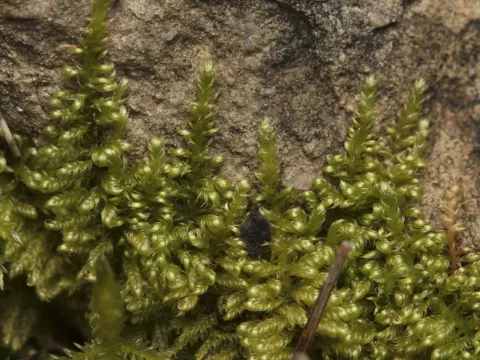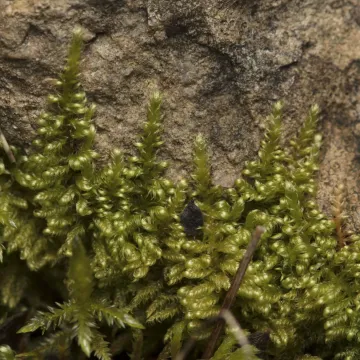
Ctenidium molluscum
Ctenidium molluscum
Description
Ctenidium molluscum is a perennial moss species belonging to the Hypnaceae family. While not a conventional agricultural crop, it is of great interest in specialized horticulture, ecological restoration, and interior landscaping. It is highly valued for its aesthetic appeal and its capacity to stabilize soil layers in temperate climates.
This species is native to large parts of the Northern Hemisphere, including Europe, Asia, and North America. It thrives in humid, shaded environments and is particularly common in areas with limestone bedrock. It prefers neutral to alkaline soil conditions, which provide the essential minerals necessary for its structural integrity and growth.
The botanical structure of Ctenidium molluscum is characterized by pinnate, feather-like stems that form dense mats. Its leaves have a distinct sickle shape, which is a key identifying feature. This morphological adaptation helps the plant efficiently capture atmospheric moisture, which is vital for its survival in dense forest understories.
Cultivation requirements involve maintaining constant high humidity and protection from direct, intense sunlight. Unlike many crops, this moss does not require nutrient-rich fertilizers, as it absorbs most of its nutrients from the air and water. Instead, attention should be focused on maintaining the correct pH balance of the substrate, typically favoring limestone-enriched materials.
- Requires consistent high moisture levels.
- Thrives in shade or dappled light environments.
- Prefers neutral to alkaline soil conditions.
- Sensitive to air pollution and heavy chemical treatments.
In landscaping, it is used for rock gardens and terrariums, adding texture and a natural forest look. It is susceptible to fungal infections if allowed to sit in stagnant water for prolonged periods. Effective management relies on mimicking its natural habitat, ensuring adequate drainage and avoiding harsh environmental stressors to keep the moss colonies healthy.
Photo gallery