Berry catchfly
Cucubalus baccifer
Description
The berry catchfly (Cucubalus baccifer) is a perennial herbaceous plant belonging to the Caryophyllaceae family. It stands out in the plant kingdom as the sole member of its genus. While it is often viewed as a wild species rather than a commercial crop, its unique biology makes it a subject of interest in both botany and medicinal plant research.
Its natural range is widespread across Eurasia, typically colonizing forest edges, riverbanks, and shaded bushy areas. The plant thrives in temperate climates and prefers environments that offer sufficient soil moisture and shelter from direct, scorching sunlight. It acts as an indicator of nutrient-rich, moist habitats within its native ecosystem.
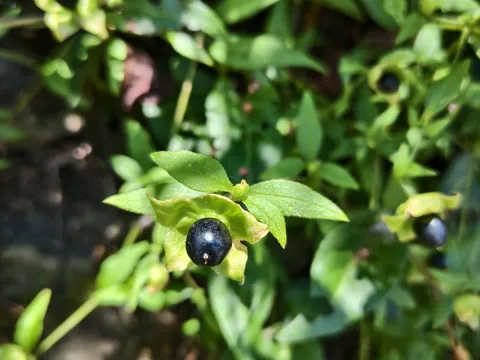
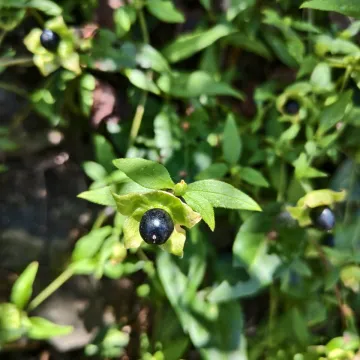
Botanically, the species is characterized by long, sprawling or climbing stems that can grow up to 1.5 meters. The leaves are opposite and ovate-lanceolate. The most distinct feature is its fruit: a dark, shiny, berry-like capsule protected by an inflated calyx. This unique appearance separates it from other members of the pink family.
Cultivation requirements involve providing well-drained, fertile soil with a neutral to slightly acidic pH. The berry catchfly prefers partial shade and requires consistent watering to remain vigorous. In agricultural or garden settings, it is essential to manage weed competition during the early stages of establishment to ensure the plant reaches maturity.
From a utilization perspective, the plant has a history of use in traditional herbal medicine, although it is not grown on a large industrial scale. Its potential lies in its chemical composition, which remains a focus for phytochemistry. Typical health issues for this plant include fungal diseases like mildew during humid spells and sap-sucking pests common to the Caryophyllaceae family.
Photo gallery