
Cucumis callosus
Cucumis callosus
Description
Cucumis callosus is a herbaceous annual plant belonging to the Cucurbitaceae family. Often referred to as a wild cucumber, this species is closely related to the common cucumber and melon. It has evolved to thrive in harsh environments where traditional agricultural varieties would fail, primarily due to its remarkable ability to withstand extreme water stress and poor soil conditions.
The native range of Cucumis callosus includes the arid and semi-arid regions of the Indian subcontinent and parts of Africa. It naturally inhabits sandy plains, rocky terrains, and neglected fields. This adaptability is rooted in its evolutionary history within desert and dry-tropical climates, which has favored the development of deep root systems and mechanisms to maximize water-use efficiency.
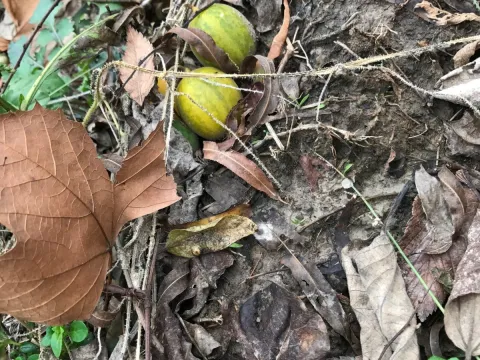
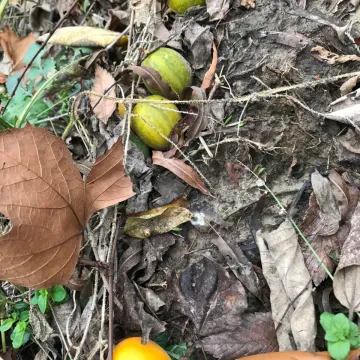
Botanically, the plant is a prostrate vine characterized by deeply lobed leaves and small, distinctively patterned fruits that often retain a striped appearance throughout their development. The fruit flesh contains high levels of cucurbitacins, which make the fruit bitter and protect the plant from local herbivores. These phytochemical properties are a subject of significant interest in pharmacological and biochemical studies.
In terms of agricultural requirements, this species demands well-drained, porous soils and requires high heat levels for optimal growth. It is highly intolerant of cold, frost, and high humidity, which can lead to rapid fungal proliferation. Because it is highly resilient, it requires minimal agronomic intervention, and commercial application is mostly restricted to its role as a genetic resource for breeding programs.
The primary economic and agricultural value of Cucumis callosus lies in its potential to improve commercial crops. Breeders use it as a source of drought tolerance, heat resistance, and resistance to common pests such as aphids.
- Genomic mapping for drought tolerance
- Cross-breeding for pest resistance
- Ecological study of desert survival mechanisms
Like other members of the Cucurbitaceae family, this species is susceptible to various fungal pathogens, most notably powdery mildew and downy mildew. In the field, it is also regularly affected by common pests such as spider mites and various aphids. Management of these issues involves careful monitoring of soil moisture and ensuring that air circulation around the plants is sufficient to prevent fungal growth.
Photo gallery