Buffalo gourd
Cucurbita foetidissima
Description
Buffalo gourd (Cucurbita foetidissima) is a perennial herbaceous plant belonging to the Cucurbitaceae family. Unlike annual pumpkins or squashes, this species is characterized by its massive, deep-reaching taproot system, which serves as a reservoir for nutrients and moisture, allowing it to survive in extremely arid environments where other crops would perish.
The plant is native to the arid and semi-arid regions of North America, specifically the southwestern United States and northern Mexico. It thrives in open, sun-drenched habitats like prairies and desert landscapes. Its evolutionary adaptation to heat and water scarcity makes it a significant subject of study for agricultural development in desertified regions.
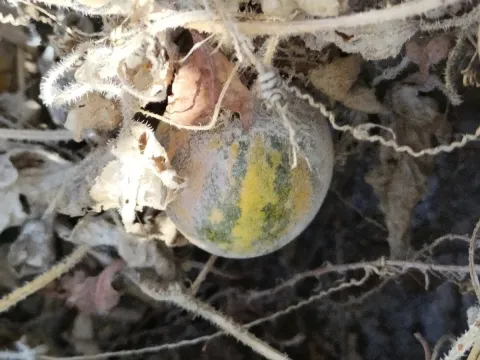
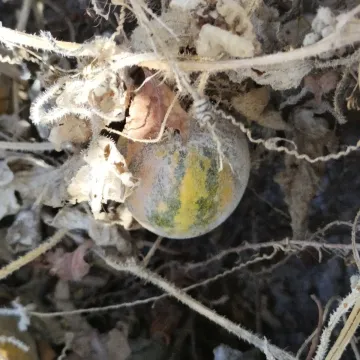
Botanically, the plant is known for its strong, pungent odor, which is particularly noticeable when the leaves are crushed. It produces long, trailing vines that can stretch several meters, covered in triangular, rough-textured foliage. The fruits are relatively small and spherical; while they contain seeds rich in oils and proteins, the flesh is bitter and generally inedible for human consumption.
In terms of cultivation, the Buffalo gourd is highly resilient to soil type, preferring well-drained, sandy, or rocky ground. It is remarkably drought-tolerant once established and does not require frequent irrigation. Planting is typically done via seeds sown in warm soil. Due to its sprawling growth habit, wide spacing is necessary to facilitate proper air circulation and avoid overcrowding the field.
The agricultural and industrial potential of the Buffalo gourd includes several key areas:
- Extraction of high-quality oil and protein from the seeds.
- Utilization of starch-rich taproots for industrial processing.
- Application in land reclamation and soil erosion control projects.
- Potential development as a drought-resistant biomass source.
Common pests and diseases affecting this plant include those typical of the Cucurbitaceae family, such as powdery mildew, downy mildew, and various aphid species. In some regions, cucumber beetles can also pose a threat. Despite these risks, the inherent hardiness of the species often minimizes the need for heavy chemical intervention, making it a sustainable choice for appropriate climate zones.
Photo gallery