
Martinez's squash
Cucurbita martinezii
Description
Martinez's squash (Cucurbita martinezii) is a wild species of herbaceous vine belonging to the Cucurbitaceae family. Unlike commercial varieties, this plant is primarily recognized by agronomists and geneticists as a reservoir of beneficial genes essential for crop improvement.
Native to the mountains and forests of Mexico, the species has developed a strong resilience to various environmental stresses. Its natural habitat allows it to thrive in humid conditions, which significantly distinguishes it from the more arid-tolerant squash varieties commonly grown on farms.
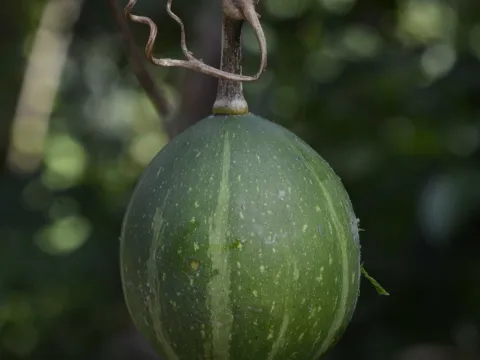
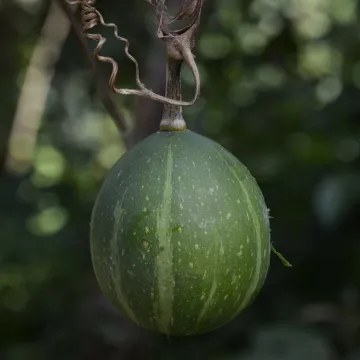
Botanically, Cucurbita martinezii is characterized by vigorous vine growth, textured foliage, and small, hard-rinded fruits. The flowers exhibit typical cucurbit morphology, designed to attract local pollinators within its native ecosystems, ensuring successful reproduction in the wild.
The agronomic requirements for this species focus on maintaining high soil moisture and moderate temperatures. While it is rarely grown for food due to the bitter flesh of its fruits, it is a vital subject in agricultural research facilities where controlled breeding programs are conducted.
The primary use of this crop is in the development of disease-resistant hybrids. By cross-breeding with domestic squashes, scientists aim to introduce resistance to powdery mildew and other common cucurbit pathogens, thereby reducing the need for chemical pesticides in commercial farming.
- Strong genetic resistance to fungal diseases.
- High adaptability to humid forest environments.
- Significant utility in modern plant breeding.
Photo gallery