Cudrania javanensis
Cudrania javanensis
Description
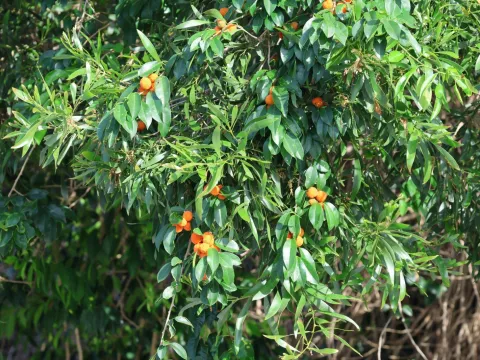
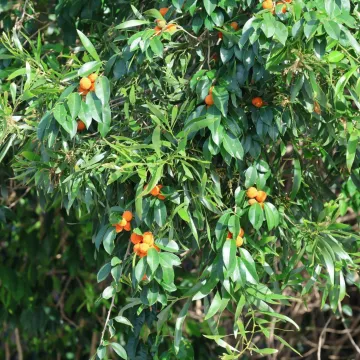
Cudrania javanensis, also known as the che tree or mandarin melon berry, is a species of deciduous tree in the Moraceae family. It is a botanical relative of the common mulberry, sharing many morphological similarities while offering unique, raspberry-like fruit that is highly prized in its native regions.
Originating from the tropical and subtropical regions of Asia, specifically China and parts of Southeast Asia, the plant thrives in warm climates. It is typically found in diverse environments, ranging from mountainous slopes to forest edges, demonstrating a high degree of adaptability to different light conditions throughout its native range.
Botanically, this species is noted for its thorns on branches and its dioecious nature, meaning individual trees are either male or female. Growers must ensure that both sexes are present in a plantation to facilitate pollination and fruit set. The leaves are ovate and leathery, providing a dense canopy that can serve as both a food source and an ornamental feature.
Regarding cultivation, the che tree requires full sun exposure and well-draining soil to perform optimally. It is considered a hardy plant once established, though it prefers consistency in soil moisture during the initial growth stages. Pruning is essential for management, as it not only controls tree size but also helps in removing excess thorny branches to allow easier access during the harvest season.
- Nutritional profile: high in vitamins, minerals, and various antioxidants.
- Versatility: used in fresh consumption, dried fruit snacks, and processed preserves.
- Resilience: generally resistant to major pests and diseases that affect other fruit species.
- Landscape design: effective in creating thorny, impenetrable boundary hedges.
- Harvesting: fruits change color from greenish-yellow to deep red when ripe and soft.
Economically, Cudrania javanensis is utilized primarily for its sweet, juicy fruits which are popular in local markets. Beyond its fruit-bearing capabilities, the tree is recognized for its durability and low maintenance needs, making it an excellent candidate for low-input agroforestry projects in temperate to subtropical climates globally.
Photo gallery