Cullen tenax
Cullen tenax
Description
Cullen tenax is a perennial herbaceous species belonging to the Fabaceae family. Known in the agricultural sector as a highly resilient plant, it represents a significant interest for forage production in arid and semi-arid environments. Its classification within the Cullen genus places it alongside other important leguminous plants known for their hardiness and soil-enriching properties.
The species is native to Australia, where it naturally occupies a wide range of habitats. From heavy clay plains to seasonally flooded areas, the plant has developed robust evolutionary mechanisms to cope with water stress, salinity, and poor soil conditions. This adaptability makes it a strong candidate for land reclamation and pasture improvement programs.
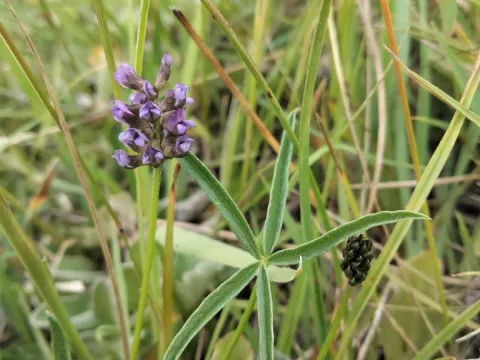
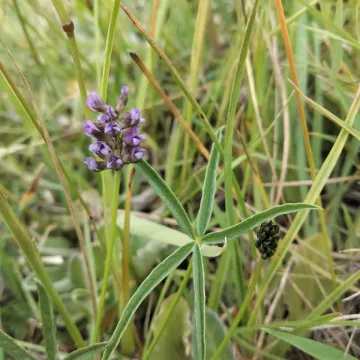
Botanically, Cullen tenax is characterized by a deep taproot system, which is essential for surviving prolonged droughts. The plant produces trifoliate leaves and clusters of purple to blue flowers. Its structural growth habit allows it to maintain productivity under grazing pressure, which is a key trait for sustainable pasture management in pastoral industries.
In terms of agronomic requirements, the crop thrives in well-drained soils but shows surprising tolerance to compacted clays. It requires full sunlight for optimal growth. Farmers should note that seed germination often requires specific treatments, such as scarification, to overcome the hard seed coat, ensuring uniform establishment of the crop in the field.
The primary agricultural use of this plant is livestock grazing, valued for several key benefits:
- Excellent nutritional profile as forage for sheep and cattle.
- High biomass production in water-limited environments.
- Significant contribution to atmospheric nitrogen fixation.
- Persistence under moderate to heavy grazing regimes.
Typical plant health issues involve fungal infections if the environment remains waterlogged for extended periods. Common pests include larvae that may feed on the seed pods, potentially affecting yield if grown for seed harvest. Integrated pest management and ensuring proper drainage remain the best practices for maintaining healthy stands of this valuable legume.
Photo gallery