Cumin
Cuminum cyminum L.
Description
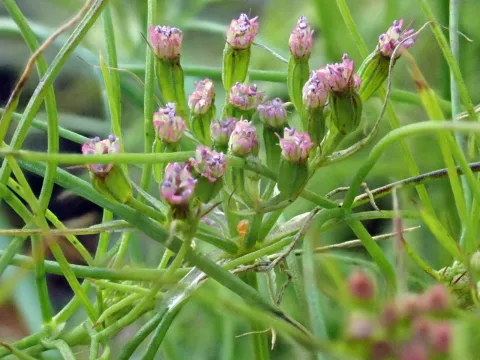
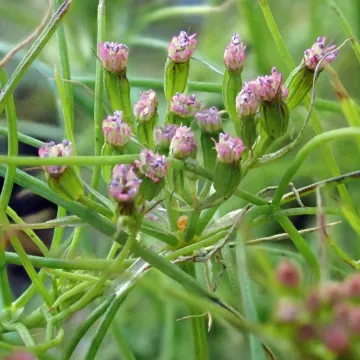
Cumin (Cuminum cyminum) is an annual herbaceous plant belonging to the Apiaceae family. Primarily cultivated for its aromatic seeds, cumin is a vital spice crop with a long history of use in global cuisine. The plant typically grows to a height of 30 to 50 centimeters and is characterized by its delicate, thread-like leaves and small, white or pinkish umbrella-shaped flower clusters.
Originating from the eastern Mediterranean and Middle Eastern regions, cumin thrives in hot, arid climates. Major global production areas include India, Iran, Egypt, and Turkey. The plant requires a long, hot growing season to reach maturity, making it highly specific in its environmental needs compared to other field crops.
Botanically, cumin is known for its sensitivity to environmental stress. It possesses a taproot system and a branched stem structure. The fruit of the plant is a mericarp, which contains the essential oils responsible for its pungent aroma and culinary popularity. Proper development requires dry weather during the ripening phase to prevent seed degradation.
The agronomic requirements for successful cultivation are quite precise:
- Well-drained, fertile sandy loam or alluvial soils are preferred.
- Strict temperature regulation, as the plant cannot withstand frost.
- Avoidance of waterlogged soils, which promote fungal diseases.
- Careful weeding, as cumin grows slowly and struggles to compete with weeds.
Economically, cumin is highly valued for both culinary purposes and medicinal applications. It is processed to extract essential oils used in flavoring and pharmaceuticals. Farmers must remain vigilant against pests such as aphids and diseases like Fusarium wilt and powdery mildew, which can be mitigated through crop rotation and proper moisture management.
Photo gallery