Cunonia capensis
Cunonia capensis
Description
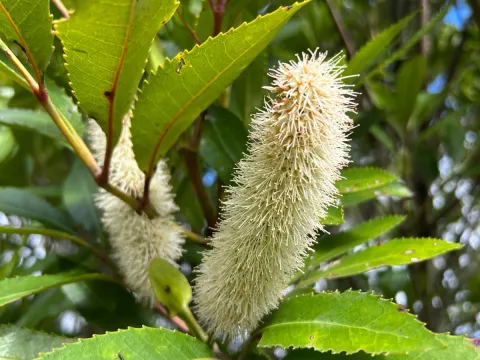
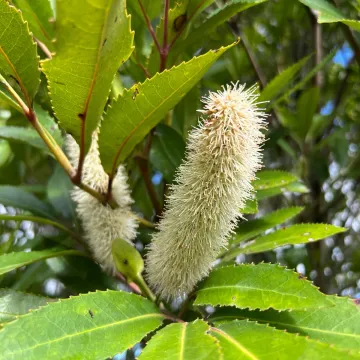
Cunonia capensis, commonly known as the butterspoon tree, is a stunning evergreen tree belonging to the Cunoniaceae family. It is highly valued for its lush, dark green pinnate leaves and distinctive bottle-brush-like white flowers that bloom in the summer. In ideal conditions, this plant creates a dense canopy, making it an excellent choice for ornamental landscaping.
Native to the moist forests and riverbanks of South Africa, this species thrives in environments with high rainfall and humidity. Its natural habitat is characterized by deep, fertile soils and sheltered valleys, which dictates its preference for specific garden locations when introduced as an ornamental or commercial crop in suitable temperate climates.
Botanically, Cunonia capensis is a robust grower. It features stipules that protect the leaf buds, which eventually fall off to reveal the new growth. Its root system is quite extensive, requiring sufficient space if planted in the ground. When grown in pots, it requires large containers to accommodate its vigor and ensure stable moisture levels.
Climate and soil requirements for this tree are quite specific: it prefers rich, moist, and well-drained acidic soil. While it can tolerate some sun, it performs best in semi-shaded areas, especially in regions with intense summer heat. Regular irrigation is mandatory, as the tree is not drought-tolerant and will show signs of stress if the water supply is inconsistent.
Practical applications of Cunonia capensis include:
- Use as a screen or hedging plant in large gardens.
- Ornamental specimen in parks and public green spaces.
- Attracting local bird species that feed on the nectar of the flowers.
- Providing structural interest in subtropical garden designs.
Regarding health management, the tree is generally hardy, but it can be susceptible to common garden pests like aphids and scale insects if planted in crowded or poorly ventilated conditions. Regular inspections and organic pest control measures are usually sufficient to maintain plant vigor. Ensuring good air circulation around the branches helps prevent fungal leaf spots during wet seasons.
Photo gallery