Mexican cypress
Cupressus lusitanica Mill.
Description
Mexican cypress (Cupressus lusitanica Mill.) is a large, evergreen conifer species belonging to the Cypress family (Cupressaceae). Native to the mountainous regions of Central America, including Mexico, Guatemala, and Honduras, this species is highly valued for its rapid growth rate and resilience in favorable subtropical environments. It has been introduced to many parts of the world for both forestry and ornamental purposes.
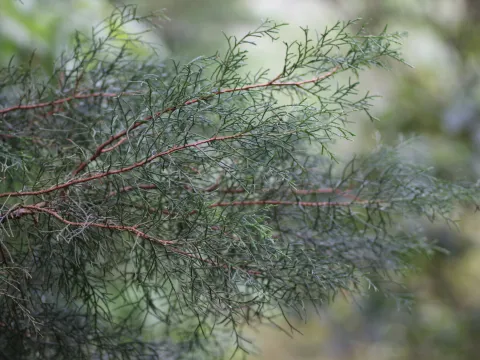
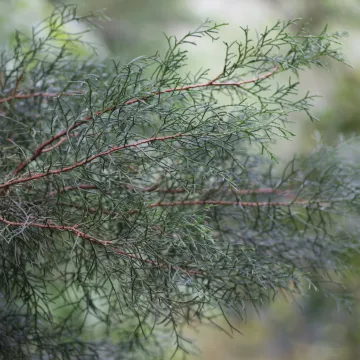
The tree is characterized by a graceful, pyramidal crown with drooping branchlets and lush, blue-green to dark green foliage. In optimal conditions, it can reach significant heights, making it an impressive specimen in both natural and managed forests. The reproductive structures consist of small, rounded, woody cones that contain seeds released upon maturity.
Regarding climate and soil, Mexican cypress thrives in areas with high humidity and mild temperatures. It is not cold-hardy, suffering damage if temperatures drop significantly below freezing for prolonged periods. The preferred soil type is deep, fertile, and well-drained, with a slightly acidic to neutral pH level. Proper site selection is crucial to avoid low-lying areas where water may stagnate.
Agricultural management of this species involves careful site preparation and weed suppression during the early stages of growth. Periodic pruning is recommended to maintain structural integrity and improve air circulation within the canopy, which is vital for disease management. Fertilization should be balanced to support vigorous growth without promoting soft, vulnerable tissue that could attract pests.
Economically, the Mexican cypress is a high-quality timber tree known for its durable, rot-resistant, and fragrant wood, which is widely used in construction, furniture making, and cabinetry. Beyond timber, it serves an important role in agroforestry by acting as an effective windbreak and helping to prevent soil erosion on sloping agricultural land. It remains a staple in regional forestry programs.
- Phytophthora root rot
- Cypress canker
- Aphids
- Spider mites
Photo gallery