Alfalfa dodder
Cuscuta approximata
Description
Alfalfa dodder (Cuscuta approximata) is a parasitic herbaceous plant belonging to the Convolvulaceae family. Unlike conventional crops, it lacks chlorophyll and cannot perform photosynthesis. This obligate parasite relies entirely on host plants, extracting water, minerals, and carbohydrates through specialized root-like structures called haustoria that penetrate the host's vascular tissue.
Originally native to the Mediterranean region and parts of Central Asia, it has spread to many temperate regions globally. It is strictly classified as a quarantine weed in agricultural sectors. It frequently infests legumes such as alfalfa and clover, and it can significantly damage vegetables and ornamental plants, making it a major threat to agricultural productivity in affected areas.
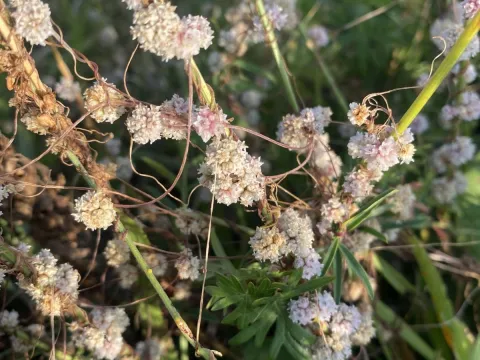
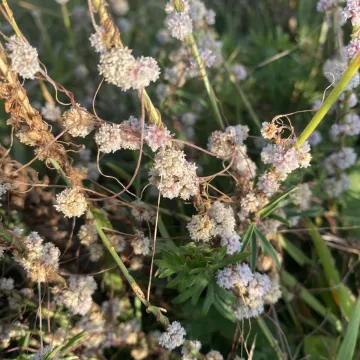
Botanically, Cuscuta approximata appears as a tangle of yellow, orange, or reddish thread-like stems that lack true leaves. The flowers are small and tightly clustered, providing a dense, compact appearance during the blooming season. The plant's life cycle begins when seeds germinate in the soil; the seedling must quickly attach to a suitable host plant or it will die within a few days due to energy depletion.
Agronomic management is challenging due to the plant's high reproductive rate and seed longevity in the soil. Effective control strategies prioritize prevention, specifically the use of certified seed lots free from dodder contamination. Crop rotation with non-host species is vital, alongside manual removal of early infestations and the application of pre-emergence herbicides to prevent germination in high-risk fields.
The economic impact of this parasite is profound, as it severely reduces crop yields, stunts growth, and can cause plant death. Furthermore, it acts as a vector for various viral diseases in crops, further exacerbating the damage. Farmers must ensure that harvested produce and fodder are processed under strict phytosanitary protocols to prevent the movement of contaminated materials between regions.
- Stunts the growth of key agricultural crops like alfalfa.
- Highly resilient seeds that persist in soil for many years.
- Spreads rapidly via machinery and contaminated seeds.
- Requires mandatory quarantine protocols for mitigation.
Photo gallery