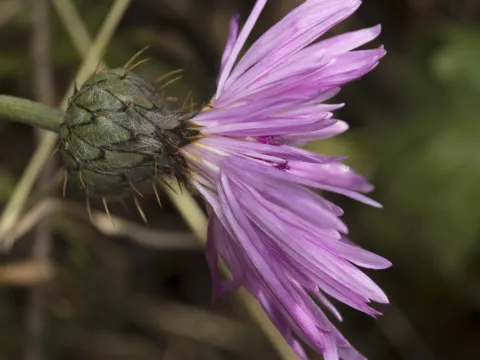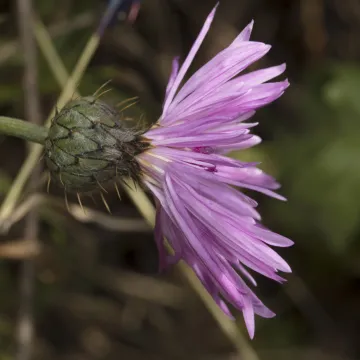

Cyanopsis muricata
Cyanopsis muricata
Description
Cyanopsis muricata is an annual herbaceous plant belonging to the Fabaceae family. As a member of this diverse botanical group, it exhibits standard legume characteristics, such as the ability to form a symbiotic relationship with nitrogen-fixing bacteria, which contributes to soil fertility improvement in arid environments.
The plant originates from arid and semi-arid zones, where its evolutionary development was shaped by extreme temperatures and water scarcity. Its cultivation area is primarily located in regions with a harsh climate, where the plant demonstrates superior survival rates compared to more moisture-demanding agricultural species.
Botanically, it is a branching herb characterized by pinnate leaves and a stem structure that often features bristly hair or small spines, explaining the specific epithet muricata. Its root system is deep and robust, allowing the plant to reach groundwater sources and sustain itself during prolonged dry spells typical of its native habitat.
Cultivation requirements involve well-drained, sandy or light-textured soils that prevent waterlogging. The crop is highly photophilous and demands significant heat for proper physiological development. Agronomic practices are generally low-input, focusing on timely sowing and sufficient spacing to allow for optimal sun exposure and air circulation within the canopy.
Industrial applications include the utilization of its green biomass for forage and the processing of seeds for technical mucilage or related plant derivatives. Management of pests and diseases primarily focuses on preventing fungal issues that arise from overwatering and controlling local insect populations that typically target leguminous plant species in tropical climates.
- High drought tolerance.
- Nitrogen-fixing capacity.
- Adaptation to nutrient-poor soils.
- Excellent performance in hot climates.
Photo gallery