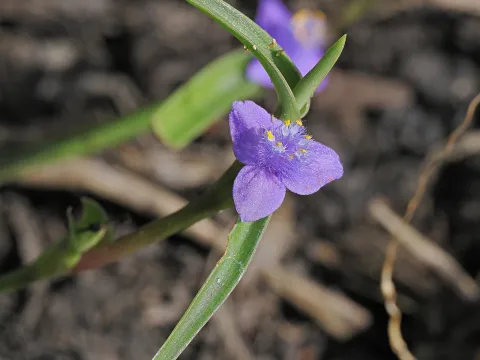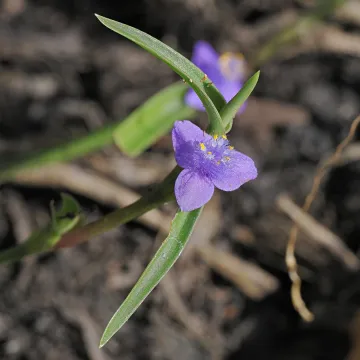
Cyanotis axillaris
Cyanotis axillaris (L.) D. Don
Description
Cyanotis axillaris (L.) D. Don is an annual herbaceous plant belonging to the Commelinaceae family. Often found in tropical and subtropical regions, this plant is recognized for its ability to thrive in aquatic or semi-aquatic habitats, frequently serving as an integral part of agricultural ecosystems in parts of Asia.
The botanical structure of the plant features succulent, creeping or ascending stems and lanceolate leaves with sheath-like bases. The characteristic feature of this species is the presence of flowers emerging from the leaf axils, typically exhibiting blue to purple petals, which serve as a primary identification mark.
Regarding cultivation, this species demands high soil moisture and warm temperatures to reach its full yield potential. It performs exceptionally well in paddy fields and near water bodies, where it can withstand waterlogged conditions that would otherwise hinder many standard field crops. The soil should be nutrient-rich and loamy to ensure rapid biomass accumulation.
The economic utility of Cyanotis axillaris covers several sectors of agriculture and beyond:
- Green fodder production for livestock due to its succulent and nutrient-dense stems.
- Use in traditional medicine for its cooling and anti-inflammatory properties.
- Soil stabilization in moist areas prone to erosion near field margins.
Common agricultural challenges involve the management of fungal infections that thrive in high-humidity microclimates. Pest pressure from snails, slugs, and leaf-chewing insects is also prevalent. Effective crop management includes providing adequate spacing to improve air circulation and employing integrated pest management strategies to mitigate yield losses.
Photo gallery