Cyanus cyanoides
Cyanus cyanoides
Description
Cyanus cyanoides is an annual herbaceous plant belonging to the Asteraceae family. Formerly classified under the genus Centaurea, it is now formally recognized as part of the genus Cyanus. This species is gaining attention in agricultural and horticultural circles due to its unique physiological characteristics and ecological benefits within farming landscapes.
The plant originates from the regions of Western Asia and the Caucasus, gradually expanding into various temperate zones across Eurasia. It thrives in open, sun-drenched habitats such as grasslands and field borders. Its capacity to adapt to different soil types makes it a versatile species for inclusion in diverse agro-ecological projects, particularly in restoration ecology.
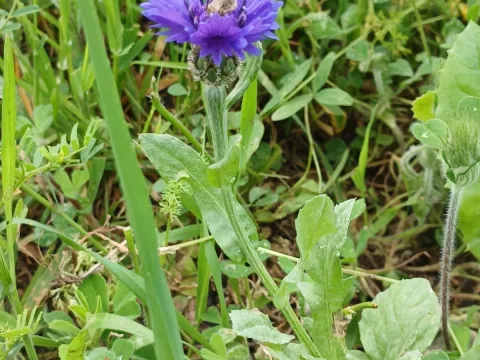
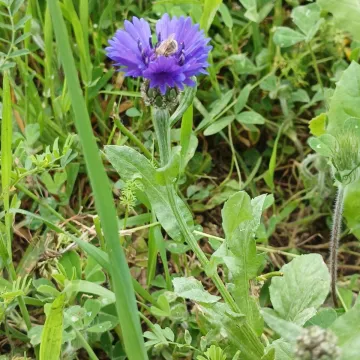
Botanically, Cyanus cyanoides features a branched stem reaching 30 to 60 centimeters, adorned with linear-lanceolate leaves. The inflorescence consists of terminal flower heads with vibrant blue to violet florets. These structures are specifically evolved to attract pollinators, making the species an excellent choice for supporting biodiversity in surrounding agricultural fields.
Regarding cultivation requirements, the species performs best in well-drained, sandy or loamy soils with a neutral pH. It exhibits high drought tolerance once established, making it suitable for low-input cropping systems. Agronomic management involves site selection with full sun exposure, minimal fertilization, and standard weed control practices to ensure healthy establishment during the seedling phase.
The primary economic uses of the crop include pharmaceutical research, as its flower pigments possess potential antioxidant properties, and apiculture, where it serves as a reliable nectar source. Common phytosanitary challenges include powdery mildew and rust, typically managed through maintaining optimal plant spacing to ensure airflow. Pests such as aphids are frequently observed but rarely cause significant yield loss in healthy, well-managed stands.
Photo gallery