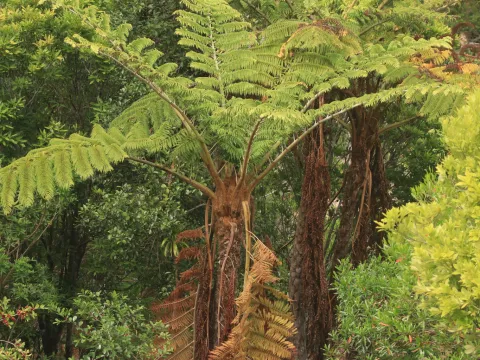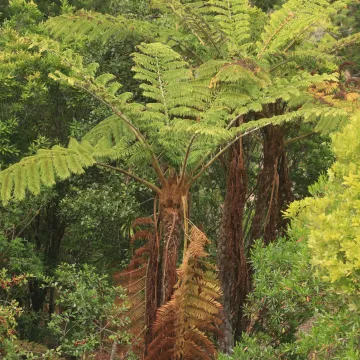
Norfolk tree fern
Cyathea brownii
Description
Cyathea brownii, commonly known as the Norfolk tree fern, is a majestic species belonging to the family Cyatheaceae. This plant is recognized as one of the largest tree ferns in the world, characterized by a tall, straight, and slender trunk topped with an expansive crown of large, dark green fronds.
Native to Norfolk Island, this species thrives in humid, subtropical environments. In agricultural and horticultural sectors, it is classified as a premium ornamental plant. While not a commercial crop for food, it holds significant value in the nursery industry, particularly for botanical institutions and specialized high-end landscaping projects.
Botanically, Cyathea brownii exhibits a remarkable growth habit. The trunk can grow up to 15 meters in height, providing structural support for the massive fronds that provide shade in its natural habitat. The plant's root system is adapted to moist, well-draining soils, which is a critical factor for its survival in non-native climates.
Cultivation requirements are strict: the plant demands high levels of atmospheric humidity and consistent soil moisture. The ideal substrate is rich in organic matter, slightly acidic, and well-aerated to prevent root rot. It performs best in filtered light or partial shade, as intense direct sun can scorch the delicate foliage and damage the plant's health.
The primary use of this species is for decorative landscaping in conservatories, atriums, and tropical gardens. Common pests include spider mites and scale insects, which often proliferate in low-humidity environments. Maintaining proper airflow and consistent moisture levels is the most effective defense against diseases like root rot and fungal infections, ensuring the plant remains vibrant.
Photo gallery