Crimson berry
Cyathodes juniperina
Description
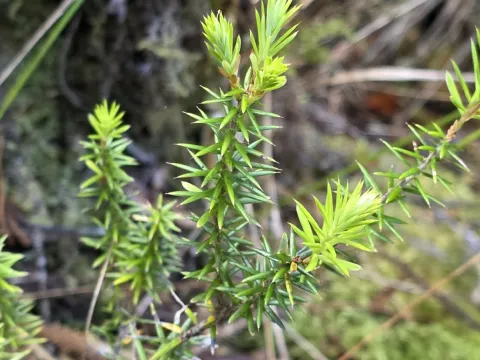
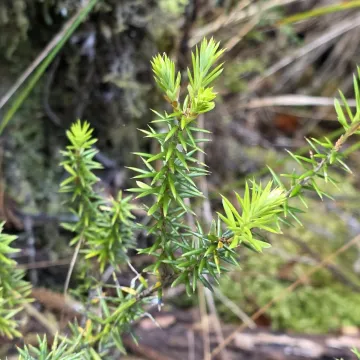
Crimson berry, scientifically known as Cyathodes juniperina, is an evergreen shrub belonging to the Ericaceae family. This species is highly regarded in specialized horticulture for its distinct needle-like foliage, which bears a striking resemblance to juniper plants, providing a unique textural element in landscape design and container gardening.
Originating from New Zealand and surrounding oceanic regions, the plant is naturally adapted to cool, moist environments. Its indigenous habitat includes mountainous areas and heathlands, where the plant thrives in well-aerated soils and consistent humidity, reflecting its evolutionary preference for temperate maritime climates with mild winters.
Botanically, Cyathodes juniperina is characterized by its stiff, linear leaves and a compact growth habit. The plant is particularly noted for its small, often bell-shaped flowers followed by fleshy, colorful drupes that range from white to deep crimson. These fruits provide a late-season aesthetic interest that is highly valued by horticulturists and garden enthusiasts.
The cultivation requirements for this species are specific, mirroring those of other Ericaceous plants. It demands highly acidic, organic-rich, and free-draining soil. Providing a substrate with excellent aeration is crucial, as the root system is highly susceptible to hypoxia if water drainage is insufficient. It is best suited for pots or sheltered garden spots where its microclimate can be managed.
- Requires consistently moist, lime-free soil.
- Thrives in partial shade to full sun with protection from harsh winds.
- Benefits from organic mulching to maintain root cool and prevent dehydration.
- Requires protection from frost during extreme winter conditions.
Regarding health management, typical concerns include fungal pathogens such as root rot, which are primarily caused by overwatering or compacted soil media. Preventing these issues involves strict adherence to a moderate watering schedule and ensuring good ventilation around the foliage, especially in greenhouse conditions where humidity can easily rise to critical levels.
Photo gallery