Cyathula polycephala
Cyathula polycephala
Description
Cyathula polycephala is a perennial herbaceous plant belonging to the Amaranthaceae family. Known for its distinct structural morphology and the presence of potent bioactive compounds, this plant has gained attention both in botanical research and in the cultivation of medicinal raw materials.
The plant originates from the tropical and subtropical regions of Asia, specifically inhabiting the mountainous and forested landscapes of the Himalayan belt and South-East Asia. It thrives in environments where rainfall is abundant and the soil maintains a consistent level of organic matter, which supports its steady perennial growth.
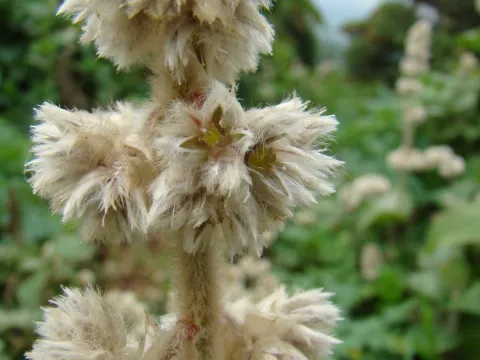
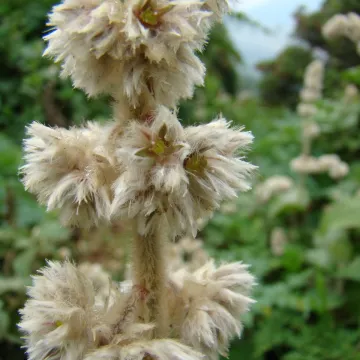
Botanically, Cyathula polycephala is characterized by its upright growth habit and small flowers arranged in dense, head-like inflorescences. A notable feature of the plant is the prickly nature of its mature seeds, which adhere easily to various surfaces, facilitating seed dispersal through animal interaction, which is a classic evolutionary mechanism for this genus.
In agricultural practice, successful cultivation requires attention to environmental factors such as drainage and light exposure. The plant prefers partial shade, mimicking the forest understory conditions of its origin. Farmers should prioritize the use of fertile, well-draining soils and ensure that the irrigation system prevents stagnant water, which can lead to root rot.
Economically, this plant is primarily utilized for its therapeutic properties, often serving as a source of ecdysteroids used in modern herbal medicine. Key management tasks include monitoring for common pests like aphids and implementing integrated pest management strategies to protect the crop from soil-borne fungi during the humid growth stages.
Photo gallery