Cyathula prostrata
Cyathula prostrata
Description
Cyathula prostrata is a perennial herbaceous plant belonging to the Amaranthaceae family. It is recognized for its prostrate growth habit, often spreading across the ground and rooting at the nodes, which allows it to thrive in diverse tropical habitats.
The plant originates from the tropical regions of Africa, Asia, and the Americas. It is typically found in disturbed forest areas, stream banks, and shady agricultural zones where moisture levels remain consistently high throughout the year. Its distribution is largely facilitated by the hook-like bracts on its seeds, which latch onto passing organisms.
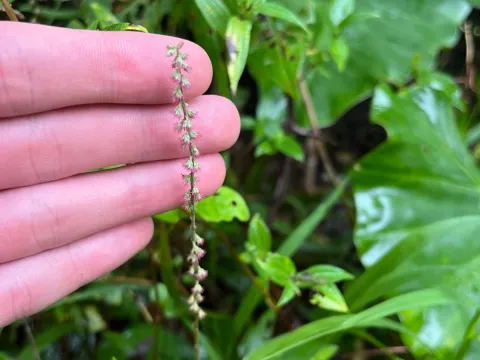
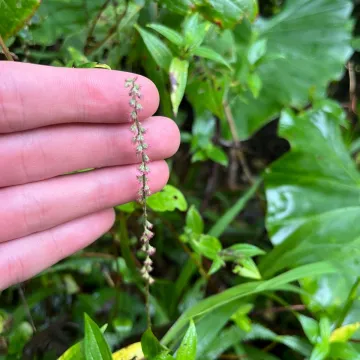
Botanically, the plant features alternate or opposite leaves and small, inconspicuous flowers clustered in spikes. The stems are slender and creeping, often reaching heights of 30 to 60 centimeters when they lift off the ground. The unique seed structure is a defining feature that distinguishes it from other related species in the Amaranthaceae family.
Regarding cultivation, Cyathula prostrata requires a tropical climate with high humidity and consistent warmth. It performs best in well-drained, nutrient-rich soils. While it is naturally hardy, farmers should monitor for typical tropical pests and fungal diseases, particularly during periods of excessive rainfall, to ensure optimal health and yield.
In terms of economic utility, the plant is primarily harvested for its medicinal properties. It is traditionally used to treat various skin conditions, inflammatory issues, and internal ailments in regions where it grows natively. Scientific research continues to evaluate the bio-active compounds in its leaves and roots for potential pharmaceutical applications.
- Family: Amaranthaceae
- Growth habit: Prostrate/Creeping
- Climate: Tropical
- Key feature: Hooked bracts for seed dispersal
Photo gallery