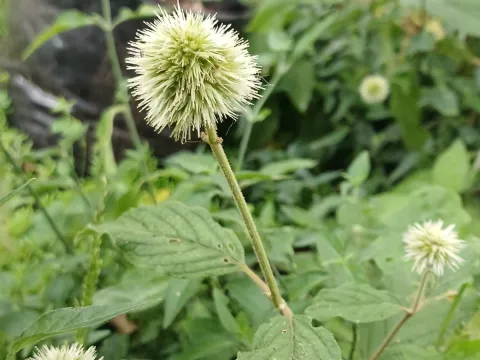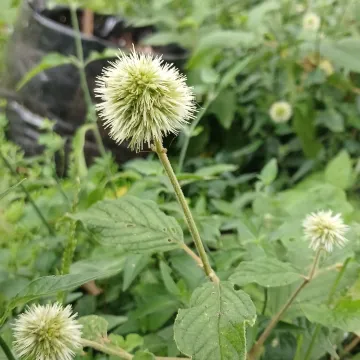
Cyathula uncinulata
Cyathula uncinulata
Description
Cyathula uncinulata is a perennial herb belonging to the Amaranthaceae family. While not a conventional staple crop, it holds significance in medicinal herb production and botanical research. Its unique chemical profile makes it a subject of interest for pharmaceutical applications, where its bioactive compounds are extracted for therapeutic use.
The plant is native to the mountainous regions of tropical Africa and parts of Asia. It thrives in high-altitude environments, often found in humid forest edges and shaded slopes. This geographical distribution defines its preference for temperate to subtropical climates and its adaptation to specific humidity levels in high-altitude ecosystems.
Botanically, Cyathula uncinulata is recognized by its branched stems, opposite leaves, and spike-like inflorescences. A notable diagnostic feature is the presence of hooked bracts on the fruit, which aid in seed dispersal by catching onto animal fur or clothing. Its biological structure is designed for efficiency in crowded, high-altitude plant communities.
Cultivation requires well-drained, nutrient-rich soil with a slightly acidic to neutral pH. As a mountain-dwelling plant, it demands consistent soil moisture but cannot tolerate waterlogging, which often leads to root decay. Successful cultivation in an agricultural setting involves managing the microclimate, specifically ensuring protection from extreme heat and ensuring adequate ventilation.
- High-quality organic soil amendments.
- Consistent irrigation management.
- Weed control during the establishment phase.
- Pest management to protect foliage.
The primary use of the plant is in traditional and modern herbal medicine. It is often harvested for its anti-inflammatory and tonic properties, which are documented in ethnobotanical studies. Common agricultural pests include aphids and mites, which can be managed using standard horticultural practices to ensure the plant reaches maturity for harvest.
Photo gallery