Sago palm
Cycas circinalis
Description
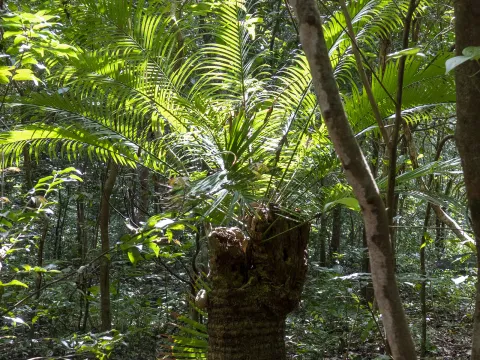
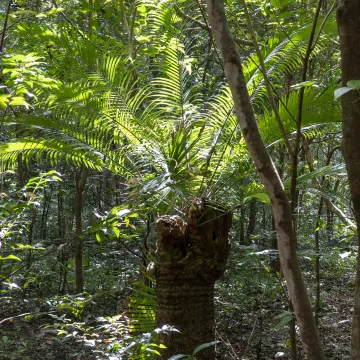
The Sago palm (Cycas circinalis), often referred to as the queen sago, is a prominent species within the Cycadaceae family. As a primitive gymnosperm that dates back to the Mesozoic era, it is a living fossil. This plant is characterized by a sturdy, woody trunk that supports a crown of large, dark green, feather-like pinnate leaves, making it a highly prized ornamental plant globally.
Native to the tropical regions of Southern India and Sri Lanka, the plant thrives in humid environments with dappled sunlight. In terms of agricultural cultivation, Cycas circinalis is extensively grown in nurseries for interior design and landscaping in frost-free regions. Its slow growth rate makes it a long-term investment for professional horticultural growers and specialized botanical collections.
Botanically, the species is dioecious, meaning male and female reproductive structures are found on separate individual plants. The trunk grows vertically, reaching significant heights in the wild, while its leaves are known for their firm texture and graceful downward curve. The plant exhibits a unique growth habit where new foliage emerges in a single flush, typically once or twice a year, depending on environmental conditions.
Successful cultivation requires a well-draining soil medium, as the plant is highly susceptible to root rot caused by stagnant water. It prefers bright, indirect light; direct tropical sun can sometimes be too intense for indoor specimens. Optimal maintenance includes moderate watering, allowing the substrate to dry out between applications, and keeping the crown dry to prevent fungal infections.
The economic importance of Cycas circinalis is primarily rooted in the horticulture industry. While the plant has a history of traditional use in some cultures as a source of starch after rigorous detoxification, this is not a recommended modern practice due to the presence of the toxin cycasin. Today, its main value lies in its aesthetic contribution to high-end indoor landscapes and botanical gardens.
- Scale insects are a common pest that can severely weaken the plant.
- Mealybugs often hide in the crevices of the trunk and leaf bases.
- Fungal leaf spot often develops due to poor air circulation.
- Root rot is the most dangerous condition caused by improper irrigation.
Photo gallery