Cycas media
Cycas media
Description
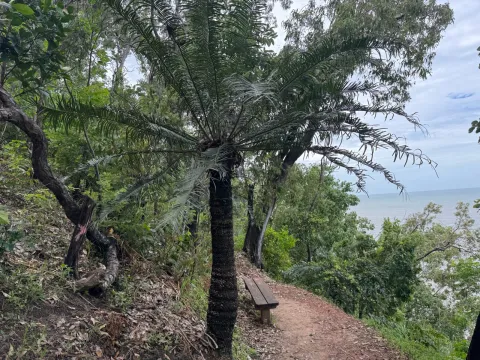
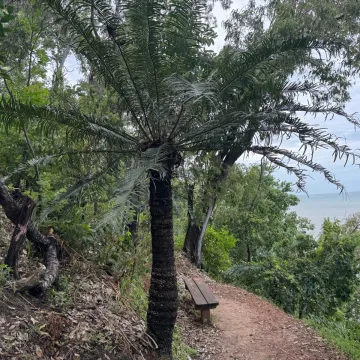
Cycas media is a prominent species within the Cycadaceae family, known for its longevity and primitive evolutionary traits. Often mistaken for a palm, it is actually a gymnosperm that has existed in similar forms for millions of years, earning the status of a living fossil in the plant kingdom.
Originating from Northern and Eastern Australia, this species is well-adapted to diverse habitats, including woodland areas and rocky hillsides. The plant thrives in regions with seasonal rainfall patterns, relying on deep root systems to access groundwater during the dry months, which is a key survival strategy for the species.
Botanically, it features a thick, woody trunk composed of persistent leaf bases and a canopy of stiff, deep-green pinnate leaves. It is a dioecious species, meaning male and female reproductive structures are produced on separate plants. Reproduction is slow and occurs through seeds that develop within large, woody megasporophylls.
Agronomic requirements for Cycas media focus on soil structure and climate mimicry. It demands well-drained, nutrient-poor, but aerated soil to prevent root rot, which is the most common cause of failure in cultivation. Full sun or partial shade is required, provided that the ambient temperature remains warm and stable throughout the growing season.
The primary use of the species is ornamental, utilized in landscapes across tropical and subtropical zones. While historical records indicate that Indigenous Australians processed the seeds and stems for starch, the presence of toxic compounds like cycasin makes the plant unsuitable for consumption without rigorous detoxification processes, thus limiting its agricultural food utility.
- Exceptional tolerance to soil salinity.
- Vulnerability to scale insects (Coccidae).
- Requirement for significant space due to slow but persistent growth.
- Sensitive to over-fertilization, especially with chemical nitrogen.
Photo gallery