Cycas pectinata
Cycas pectinata
Description
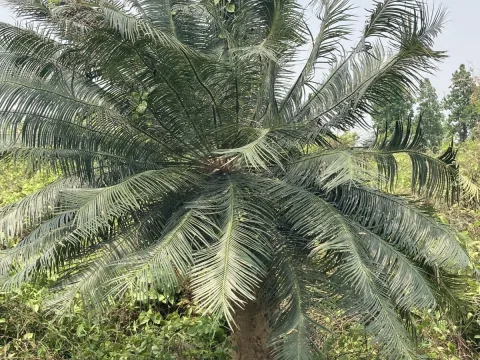
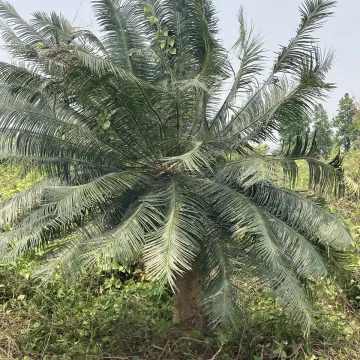
Cycas pectinata is a primitive seed plant belonging to the Cycadaceae family. Often referred to as a living fossil, this species exhibits architectural growth patterns that have remained largely unchanged since the Mesozoic era. It is distinguished by its stout, woody trunk and a crown of stiff, pinnate fronds that provide a characteristic tropical silhouette.
The native distribution of Cycas pectinata covers parts of Southeast Asia, specifically India, Nepal, Bhutan, and Myanmar. It thrives in diverse landscapes, ranging from dense humid forests to rocky, sun-drenched hillsides. Due to its specific environmental needs, it is primarily cultivated in botanical gardens, specialized nurseries, and as a prized ornamental plant in tropical climates.
From a botanical standpoint, the plant is dioecious, meaning male and female reproductive cones are produced on separate individuals. The growth rate is notably slow, often producing only one or two flushes of leaves per year. The plant requires specialized pollination techniques when grown in isolation to produce viable seeds, which are highly sought after by collectors.
Successful cultivation requires a well-drained substrate, typically composed of mineral-rich soil with sand and pumice additives. Cycas pectinata demands substantial sunlight but benefits from protection during peak afternoon heat in extremely arid regions. Over-watering is the most significant risk to the plant, as stagnant water in the root zone quickly triggers necrotic rot.
Beyond its aesthetic value in xeriscaping and conservatory displays, this species has historical significance in indigenous medicine and traditional subsistence. However, all parts of the plant contain neurotoxic glycosides, making it essential to treat any plant material with extreme caution and never consume it without rigorous industrial-level processing.
Common issues faced by cultivators include:
- Infestations of scale insects and mealybugs on the undersides of leaflets.
- Fungal pathogens causing root rot and stem decay during cool, damp seasons.
- Nutrient deficiencies, specifically nitrogen and magnesium, showing as yellowing fronds.
Photo gallery