Cycas seemannii
Cycas seemannii
Description
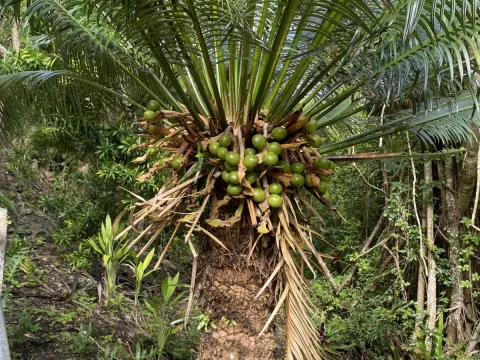
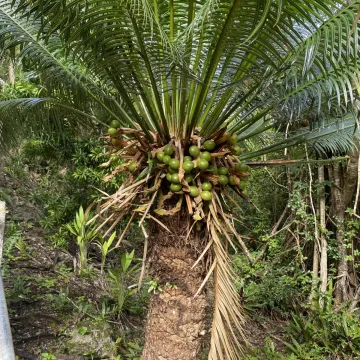
Cycas seemannii is a distinguished member of the Cycadaceae family, representing one of the most ancient lineages of seed-bearing plants on Earth. Often mistaken for a palm tree due to its appearance, this species is a true cycad, characterized by its slow growth, stout woody trunk, and stiff, feather-like foliage that gives it a majestic, prehistoric aesthetic.
The native range of this species covers the islands of Fiji and other parts of the South Pacific region. Thriving in tropical environments, it typically inhabits limestone terrain and coastal forests. Because it is highly sensitive to frost and cold drafts, its successful cultivation is strictly limited to tropical or subtropical climates, unless managed in specialized conservatory environments.
Botanically, Cycas seemannii is a dioecious plant, meaning that male and female cones are produced on separate individuals. The female structures, or megasporophylls, carry large, distinct seeds. The plant's overall architecture is built for endurance, with a deep taproot and a thick trunk that acts as a reservoir, allowing it to survive periods of mild drought within its natural habitat.
When considering agronomic requirements, the soil must be exceptionally well-draining, preferably a mix of volcanic or sandy loam with minimal organic peat to prevent root rot. Watering should be deep but infrequent; the plant must be allowed to dry out significantly between cycles. Fertilizer application should be focused on the growing season, using balanced NPK ratios to support the slow development of new leaves.
In terms of practical usage, the plant is primarily cultivated as a high-end ornamental for botanical gardens and luxury tropical landscapes. While it is rarely grown for food today, its historical context includes the processing of stems and seeds for starch, provided the toxins are meticulously leached out. Management of pests, such as scale insects, and strict avoidance of over-saturation are the pillars of long-term plant health.
Photo gallery