Cyclanthera brachystachya
Cyclanthera brachystachya
Description
Cyclanthera brachystachya is an annual herbaceous vine belonging to the Cucurbitaceae family. This vigorous climbing plant is known for its rapid growth rate and dense foliage, often used both as a food crop and an ornamental vine. It is closely related to Cyclanthera pedata but is distinguished by its smaller, more numerous fruits and unique inflorescence structures.
Originating from the tropical and mountainous regions of Central and South America, this plant has adapted to diverse climatic conditions. Its natural habitat includes humid forests and mountain slopes, which contributes to its resilience when introduced to temperate regions, provided it has a sufficiently long, warm growing season to complete its life cycle.
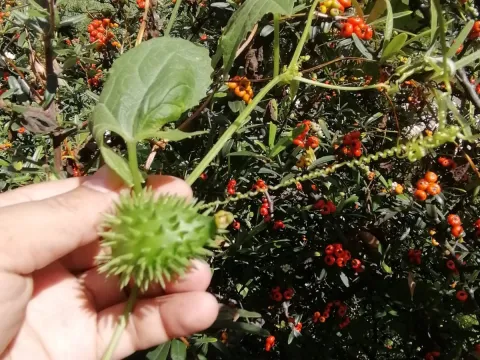
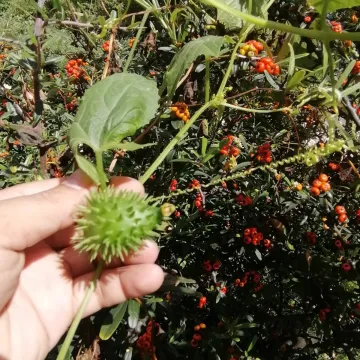
Botanically, the plant features deeply lobed leaves and sturdy tendrils that allow it to climb structures efficiently. The flowers are small, monoecious, and arranged in short clusters, from which the name of the species is derived. The fruits are typically elongated, hollow, and curved, containing black, warty seeds that are easily dispersed once the fruit matures and dries.
Cultivation requirements include well-drained, fertile soil with a slightly acidic to neutral pH. Cyclanthera thrives in full sun and requires consistent moisture to support its rapid vegetative growth. Using trellises or vertical supports is highly recommended to improve air circulation, reduce fruit rot, and simplify the harvesting process in professional or home garden settings.
The economic and culinary uses of the crop include harvesting young, tender fruits that are consumed raw, pickled, or cooked in various dishes. Beyond its nutritional value, the plant is researched for its potential medicinal properties, including hypoglycemic effects. Furthermore, it is highly valued in gardening for creating "green walls" or providing shade in domestic landscapes.
- Common diseases include powdery mildew, downy mildew, and various root rots under excessive moisture.
- Major pests include spider mites and melon aphids.
- Regular nitrogen-rich fertilization is recommended during the vegetative stage to support vine density.
Photo gallery