
Cyclanthus bipartitus
Cyclanthus bipartitus
Description
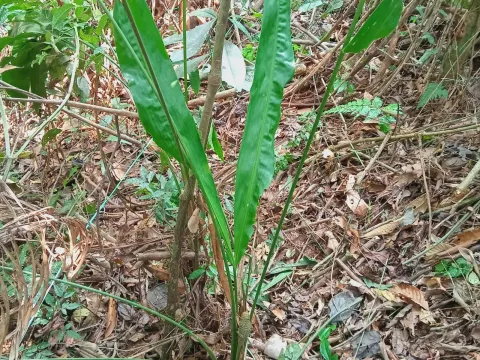
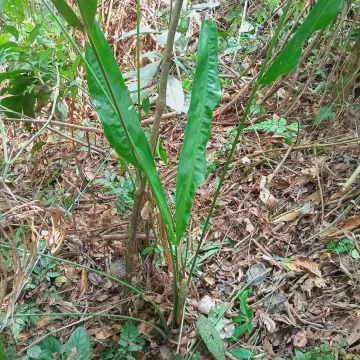
Cyclanthus bipartitus is a distinct tropical plant belonging to the Cyclanthaceae family. Known for its unique, bifid leaves that resemble a fish tail or a fan, it is a fascinating subject for both botanists and horticulturalists specializing in exotic flora from the Neotropics.
The plant originates from the dense, humid rainforests of Central and South America, particularly in regions such as Colombia and Ecuador. In its native habitat, it occupies the understory, where it thrives in diffuse light and high humidity levels, protected from the harsh exposure of the forest canopy.
Botanically, it is an herbaceous perennial characterized by a short rhizome and large, striking leaves that split into two distinct segments. The structure of the leaf is its most defining feature, requiring careful handling to maintain its aesthetic integrity. The root system is fibrous and requires a porous, well-draining growth medium to avoid anaerobic conditions.
Cultivation requires strict adherence to a tropical climate regime, with ideal temperatures ranging between 20°C and 28°C. Regular moisture is essential, as the plant does not possess significant mechanisms to cope with prolonged drought. High humidity (70-80%) is a critical factor for healthy growth, often necessitating the use of specialized misting systems or controlled greenhouse environments.
While primarily cultivated for ornamental purposes in botanical collections and high-end interior landscaping, Cyclanthus bipartitus requires specific management to remain healthy. Common challenges for growers include maintaining soil structure and preventing infestations. Typical issues include:
- Root rot due to poorly draining soil
- Spider mites in low-humidity environments
- Scale insects on stems and foliage
- Yellowing leaves (chlorosis) due to improper pH levels
Photo gallery