Cyclea peltata
Cyclea peltata
Description
Cyclea peltata is a perennial climbing plant belonging to the Menispermaceae family. As a vigorous vine, it utilizes specialized growth habits to scale forest structures, making it a distinctive species within its tropical native habitats. The plant is widely recognized for its robust vegetative development and complex root system.
Native to the tropical regions of South and Southeast Asia, including India and Sri Lanka, this species thrives in humid forest environments. Its distribution is closely linked to ecosystems that provide consistent moisture and shaded conditions, allowing the vine to flourish in the lower and middle strata of the forest canopy.
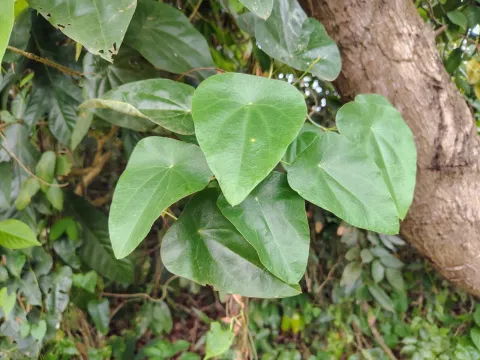
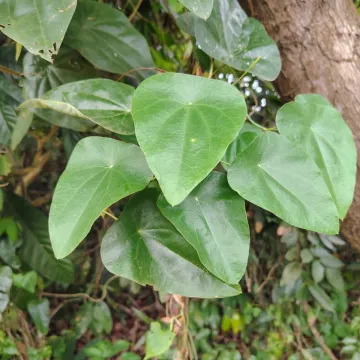
The botanical identity of this plant is defined by its peltate (shield-shaped) leaves, which provide a significant surface area for photosynthesis in shaded environments. The flowers are generally small and dioecious, arranged in panicles. The rootstock is particularly significant, as it functions as a storage organ for secondary metabolites that are essential to the plant's medicinal profile.
Agricultural success with this crop requires precise environmental control. It thrives in well-draining, nutrient-rich, and slightly acidic soils. Key agronomic practices include the provision of artificial trellises for vertical support and the maintenance of a humid, warm microclimate. Soil moisture must be carefully managed to prevent waterlogging, which the root system cannot tolerate.
The primary use of Cyclea peltata lies in the pharmaceutical and herbal medicine sectors. It is valued for its alkaloid content, which serves as the basis for anti-inflammatory and antiseptic preparations. Regarding plant health, cultivators should monitor for common tropical pests and diseases, such as fungal leaf spots and root-rot pathogens, which typically manifest in poorly ventilated or excessively saturated soil conditions.
Photo gallery