Cymbopogon tortilis
Cymbopogon tortilis
Description
Cymbopogon tortilis is a perennial grass species belonging to the Poaceae family. Known for its distinct morphological characteristics, this plant is closely related to better-known members of the genus, such as lemongrass. It is recognized for its adaptation to arid and semi-arid environments, where it serves both as an ecological stabilizer and a commercial source of aromatic compounds.
The species originates from East Africa and parts of the Arabian Peninsula. It is well-adapted to hot, dry climates and poor soil conditions. In agricultural practice, it is cultivated in regions where drought resistance is a priority. The plant's ability to thrive in challenging environments makes it a valuable crop for sustainable farming in tropical and subtropical zones.
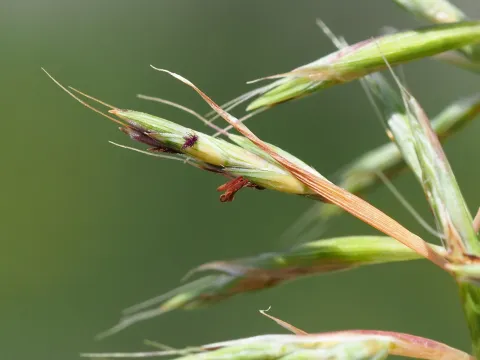
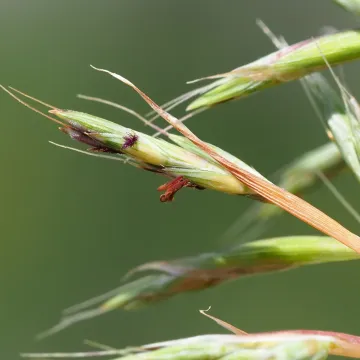
Botanically, Cymbopogon tortilis is defined by its dense, tufted growth habit and narrow, twisted leaves. The root system is deep-reaching and resilient, facilitating water uptake in arid conditions. The inflorescence consists of terminal panicles that develop during the growing season, providing a characteristic structure for the genus.
Cultivation requirements for this grass include high solar radiation and well-drained, porous soils. It is notably drought-tolerant once established. Agronomic management involves periodic harvesting of the aerial biomass to promote vigorous regrowth and prevent excessive senescence of the clumps. It generally avoids the need for heavy fertilizer application, as it is adapted to nutrient-poor substrates.
The primary economic use of this crop is the extraction of essential oils, which are highly valued in the cosmetic and perfumery industries for their unique fragrance profiles. Additionally, due to its chemical composition, the plant serves as a natural repellent. Its deep roots also contribute significantly to soil conservation efforts, protecting against erosion in regions susceptible to desertification.
- Pathogens affecting the crop primarily include fungal leaf spots under humid conditions.
- Insect pests such as aphids and grass-dwelling borers can cause significant damage if left unchecked.
- Harvesting is typically timed based on the peak vegetative phase to ensure the highest concentration of volatile oils.
Photo gallery