
Cymbopogon validus
Cymbopogon validus
Description
Cymbopogon validus is a perennial grass species belonging to the Poaceae family. Known for its distinct botanical characteristics, it represents a significant, though specialized, member of the Cymbopogon genus. The plant is valued primarily for its chemical composition and its resilience in its native environmental conditions.
The species is indigenous to the regions of Southern and Eastern Africa. It thrives in savannah environments, adapted to seasonal climate cycles. Due to its tropical and subtropical origin, it requires consistent warmth to maintain growth and cannot withstand prolonged frost, which dictates its distribution in agricultural practice globally.
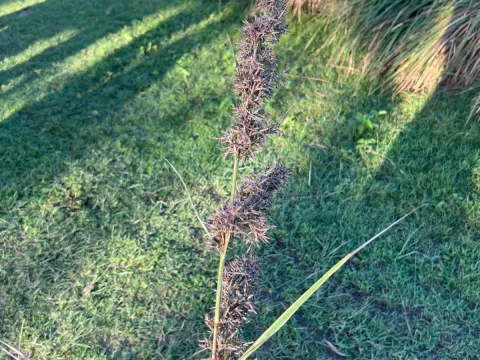
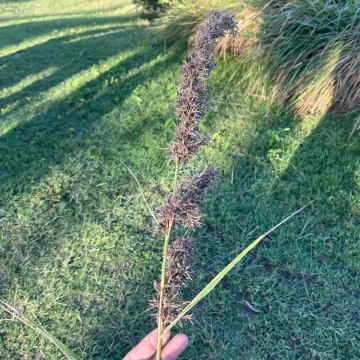
Botanically, the plant is characterized by large, dense tussocks with stiff, elongated leaves. The root system is fibrous and aggressive, designed to stabilize the plant in various soil types while efficiently mining for nutrients. When crushed, the leaves release a strong, aromatic scent, which is a hallmark of the genus and relates to its essential oil content.
Agronomic requirements for Cymbopogon validus include well-draining soil with a healthy nutrient profile and maximum sun exposure. Proper cultivation involves strategic irrigation management to avoid waterlogging, which the plant does not tolerate well. Pruning is essential to encourage fresh foliage production, which is the primary source of the plant's valuable extracts.
Economic and agricultural uses include:
- Extraction of essential oils for cosmetic and fragrance applications.
- Formulation of bio-based insect repellents.
- Erosion control in tropical landscapes due to its deep root structure.
- Utilization in permaculture systems as a biomass generator.
The plant is relatively robust, yet it can be susceptible to fungal diseases if air circulation is poor or if the soil remains constantly soggy. Typical pests include various sucking insects that target the softest tissues of the leaves. Maintaining field hygiene, ensuring correct plant spacing, and avoiding excessive moisture are the best strategies to manage these potential threats.
Photo gallery