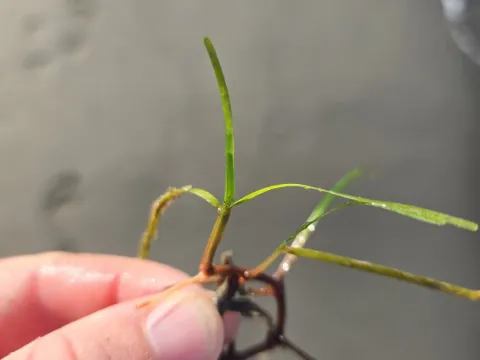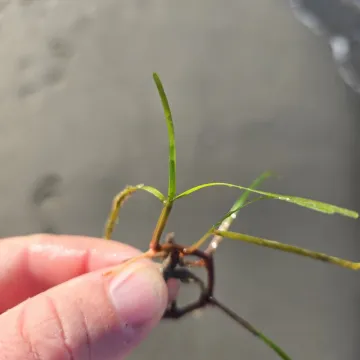
Cymodocea nodosa
Cymodocea nodosa
Description
Cymodocea nodosa is a perennial marine angiosperm belonging to the Cymodoceaceae family. It is a key species of seagrass that forms dense underwater meadows, playing a fundamental role in coastal environments by stabilizing sediments and providing critical habitats for numerous marine organisms.
The distribution of this species primarily includes the Mediterranean Sea and parts of the Atlantic Ocean, particularly near the Canary Islands and the western coast of Africa. It thrives in shallow, sandy, or muddy environments where sunlight can penetrate, and water temperatures remain warm enough to support consistent photosynthesis throughout the year.
Botanically, it is characterized by long, narrow, ribbon-like leaves and a creeping rhizome system that allows the plant to spread rapidly across the sea floor. The ability to anchor firmly into the substrate makes it an essential biological barrier against coastal erosion, effectively trapping organic matter and particulate matter suspended in the water column.
While not a traditional agricultural crop, its biomass is sometimes harvested as drift and used as organic fertilizer for coastal farming. Due to its high mineral and carbon content, it is considered a natural soil improver. Furthermore, the species is widely used as an indicator for environmental health, reflecting the overall quality of coastal waters.
Threats to the sustainability of this marine plant include coastal development, boat anchoring, and water pollution which reduces light transparency. The plant is sensitive to significant changes in water quality and habitat destruction. Typical issues include the decline of density due to over-eutrophication, which encourages the growth of epiphytic algae that compete with the seagrass for light.
Photo gallery