Algarve artichoke
Cynara algarbiensis
Description
The Algarve artichoke (Cynara algarbiensis) is a perennial herbaceous plant belonging to the Asteraceae family. It is a wild relative of the common globe artichoke, native to specific regions of the Iberian Peninsula, notably the Algarve region in Portugal and parts of southern Spain.
The plant is naturally adapted to the Mediterranean climate, which is defined by mild, wet winters and hot, dry summers. It thrives in well-lit, open habitats such as rocky slopes and fallow fields, where it has evolved to manage water stress efficiently through a deep root system and protective morphological adaptations.
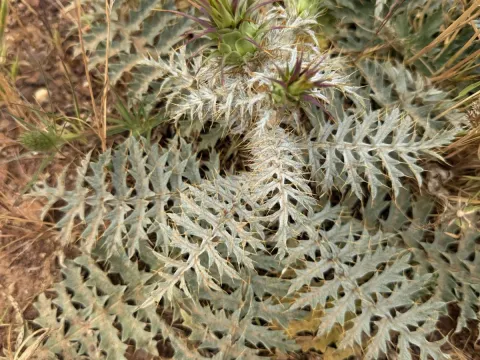
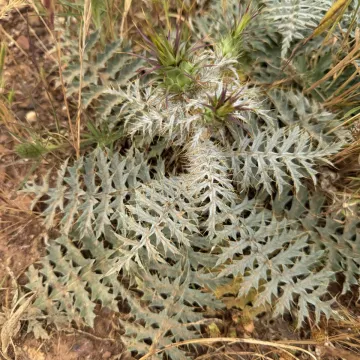
Botanically, Cynara algarbiensis is characterized by a basal rosette of pinnately lobed, spiny leaves covered with fine hairs, which help reduce transpiration. The flower heads are enclosed in stiff, spine-tipped bracts. These structural features serve to protect the developing reproductive organs from the harsh environmental conditions of its native habitat.
Agricultural requirements for this species include well-drained soil, preferably limestone-based, and adequate space to prevent pathogen spread. Agronomic management focuses on preventing waterlogging, which is detrimental to the roots, and implementing integrated pest management (IPM) to control common pests like aphids and soil-borne fungal pathogens that target the Asteraceae family.
- Potential utility: genetic repository for drought-resistant artichoke traits.
- Botanical traits: spiny leaves and robust stalks adapted for survival.
- Pests and Diseases: susceptible to powdery mildew and aphid infestations.
While the Algarve artichoke is not a mainstream agricultural crop, it is of significant interest to researchers. It serves as a valuable resource for breeders looking to improve the stress tolerance of commercial artichoke varieties. Furthermore, the biochemical profile of the plant is being studied for potential applications in the cosmetic and pharmaceutical industries.
Photo gallery