Cynodon simonii
Cynodon simonii
Description
Cynodon simonii is a perennial grass species belonging to the Poaceae family. As a member of the Cynodon genus, it shares characteristics with other resilient grasses, notably its ability to thrive in harsh environments. The plant is valued for its hardiness, structural integrity, and ability to persist under stress, making it a subject of interest in agrostology and sustainable land management.
The origin and primary distribution range of this species are centered in the African continent, specifically in regions with semi-arid climates. It has evolved to survive in savannahs and open woodlands, where it plays a critical role in stabilizing soil structures and providing basic vegetation cover in environments where moisture is often the limiting factor for primary production.
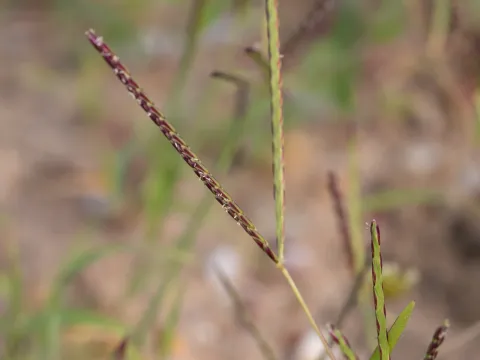
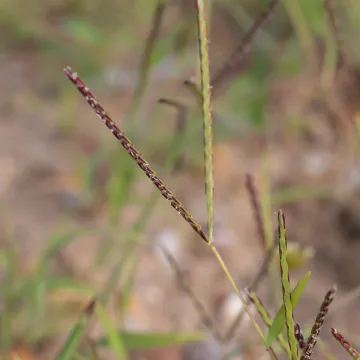
Botanically, Cynodon simonii is characterized by a vigorous rhizomatous and stoloniferous growth habit. The culms are usually prostrate, forming dense mats that protect the soil surface from erosion. The leaves are relatively narrow and hardy, capable of withstanding intense solar radiation. Its reproductive strategy balances vegetative spreading with the production of characteristic digitate inflorescences.
In terms of environmental requirements, the crop demands high light intensity and performs exceptionally well on well-drained, sandy, or loamy soils. It is notably tolerant of moderate salinity and low nutrient availability. The standard agronomic practices for managing this species involve:
- Regular grazing or mowing to prevent the accumulation of lignified biomass.
- Soil surface monitoring to prevent compaction.
- Targeted nutrient management to maintain green cover during growth peaks.
The primary agricultural utility of Cynodon simonii lies in its application as a pasture grass and an agent for soil conservation in erosion-prone areas. Its deep, fibrous root system makes it an excellent choice for stabilizing embankments. Common challenges in its cultivation include the management of rust diseases during high humidity cycles and controlling localized infestations of stem-boring insects, which can impact biomass productivity.
Photo gallery