Cynodontium strumiferum
Cynodontium strumiferum
Description
Cynodontium strumiferum is a moss species belonging to the Dicranaceae family. It is not an agricultural crop but a significant component of northern forest ecosystems. This moss is recognized for its delicate structure and specific habitat requirements, which align it with specialized bryophyte communities found in temperate and boreal regions.
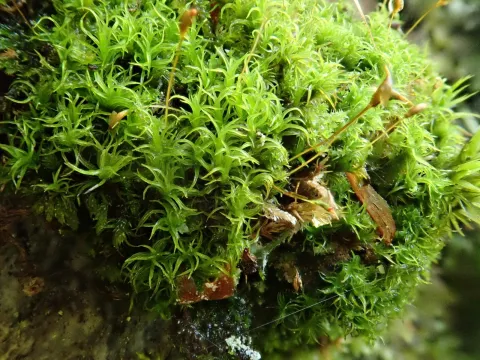
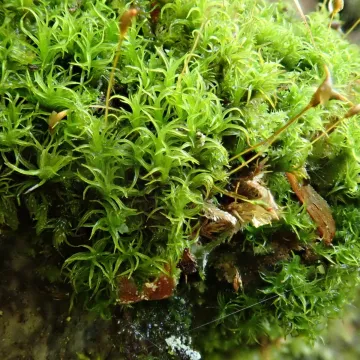
The geographic range of this species covers vast areas of the Northern Hemisphere, including forests across Europe, Asia, and North America. It is typically found in shaded, humid environments, favoring substrates such as rotting logs, granite boulders, or nutrient-poor acidic soils, where it forms dense, cushion-like mats that protect the underlying surface.
Botanically, it is identified by its narrow, linear-lanceolate leaves that often appear crisped or twisted when dry. The sporophyte features a capsule on a seta, which is distinctively strumose (swollen) at the base. These reproductive structures are essential for the dispersal of spores, which germinate under favorable moisture conditions to form new protonemata.
This moss thrives in environments with high atmospheric humidity and relatively stable temperatures. It is highly sensitive to air pollution, particularly sulfur dioxide, making it a natural indicator of environmental quality. It does not require agricultural cultivation practices, as it relies on natural successional processes within forest landscapes.
The economic and practical uses of this species are primarily centered on scientific research and environmental monitoring. By studying the presence and health of these moss populations, foresters and ecologists can assess the stability of woodland health and the impact of industrial activity on local biodiversity, emphasizing the importance of preserving wild moss habitats.
- Family: Dicranaceae
- Habitat: Damp forest floors, rocks, decaying wood
- Reproduction: Spore dispersal
- Sensitivity: Sensitive to atmospheric pollutants
Photo gallery