
Spreading houndstongue
Cynoglossum diffusum
Description
Cynoglossum diffusum, commonly known as spreading houndstongue, is a member of the Boraginaceae family. As a specialized agricultural crop, it is recognized for its adaptability to temperate climate zones and its unique biological profile, which distinguishes it from common forage or cereal crops.
The plant originates from the Eurasian regions, thriving primarily in meadows, rocky outcrops, and open scrublands. Its native distribution indicates a high tolerance for varied environmental conditions, making it a resilient candidate for cultivation in regions characterized by erratic seasonal weather patterns.
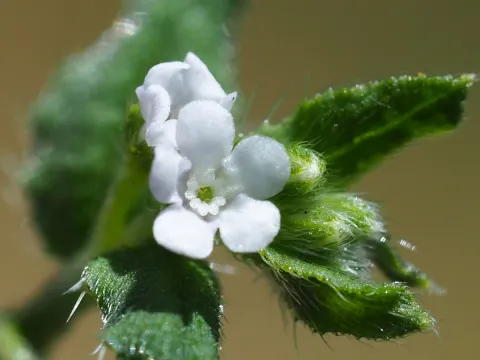
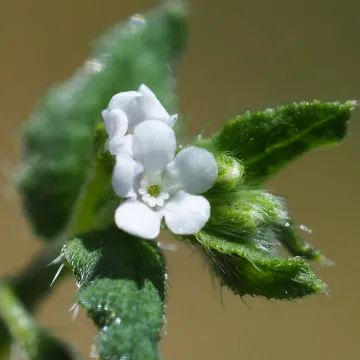
Botanically, the species is defined by its diffusely branched stems and lanceolate leaves, which are covered in fine, characteristic pubescence. The flowers, typically arranged in terminal racemes, display hues of blue or purple, which are essential for its role in supporting local pollinator populations during the flowering season.
Agricultural success depends on providing well-drained, sandy-loam soils with moderate fertility levels. The species is notably intolerant of waterlogging, which necessitates careful site selection and, in some cases, the implementation of raised beds. Essential cultivation tasks include early-season weed suppression and ensuring adequate spacing to allow for the horizontal spread of the plant.
Economic applications for Cynoglossum diffusum are diverse, ranging from its utilization in medicinal chemistry to its role as a specialized nectar source for apiaries. The plant is also valued in sustainable agriculture for its potential to suppress specific insect pests due to its natural chemical compounds, making it a useful companion plant in integrated pest management systems.
Photo gallery