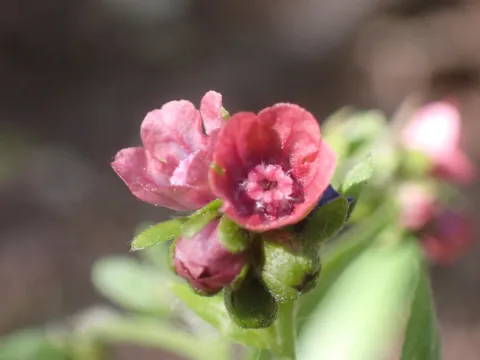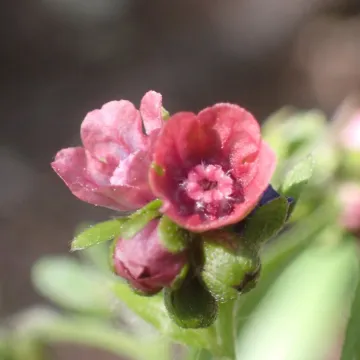
Green hound's-tongue
Cynoglossum germanicum
Description
Green hound's-tongue (Cynoglossum germanicum) is a biennial herbaceous plant belonging to the Boraginaceae family. It is characterized by a basal rosette of leaves developed during the first year of growth, followed by the development of a branched flowering stem in the second year, typically reaching a height of 30 to 80 cm.
The plant is native to Central and Southern Europe, primarily thriving in forest margins, clearings, and shrubby areas. It requires a temperate climate to reach its full vegetative potential, as it is sensitive to both extreme frost and intense, prolonged heat waves that can dry out its root system.
Regarding soil requirements, the crop performs best in well-drained, humus-rich soils with a neutral pH level. It is essential to avoid sites with poor drainage or heavy clay content, as the roots are prone to rot under stagnant water conditions, which can significantly reduce yields.
The agrotechnique for this crop involves sowing in prepared seedbeds during early spring or late autumn. Maintenance practices must focus on consistent weed control during the seedling stage and maintaining adequate soil aeration through periodic inter-row cultivation throughout the growth cycle.
The economic utility of the plant is primarily centered on its secondary metabolites, including specific alkaloids used in pharmaceuticals. Additionally, due to its distinct chemical composition, the plant is valued for its natural rodent-repellent properties in agricultural storage and garden protection.
- Rich in bioactive alkaloids
- Requires excellent soil drainage
- Resistant to semi-shaded conditions
- Effective natural rodent repellent
Photo gallery