Houndstongue
Cynoglossum officinale L.
Description
Houndstongue (lat. Cynoglossum officinale L.) is a biennial herbaceous plant species belonging to the Boraginaceae family. During its first year, the plant develops a rosette of leaves near the ground, while in the second year, it produces a tall, erect stem with flowering clusters. It is easily recognized by its soft, greyish, hairy leaves and its distinct, somewhat unpleasant odor often compared to mice.
The native range of this plant includes Europe, Western Asia, and North Africa, and it has been naturalized in North America. It thrives in various environments, commonly found on dry pastures, roadsides, waste grounds, and rocky hillsides. As a hardy plant, it exhibits a high degree of ecological flexibility, allowing it to colonize diverse landscapes with different soil textures.
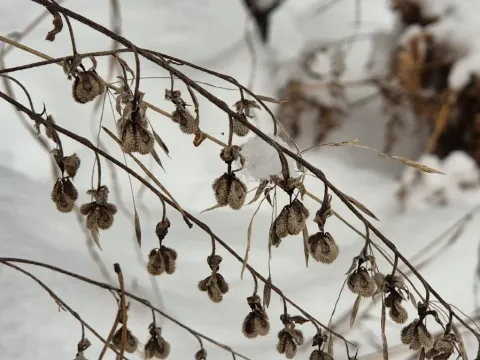
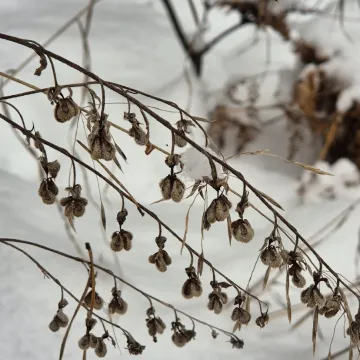
Botanically, houndstongue is characterized by lance-shaped leaves and purplish-red flowers arranged in coiled cymes. The seeds are enclosed in nutlets covered with barbed prickles, an adaptation that ensures wide dispersal by attaching to the fur of passing animals. The plant's deep taproot provides significant drought tolerance, enabling it to survive in arid, nutrient-poor conditions.
Cultivation of houndstongue is relatively straightforward because of its natural resilience. It is best grown in full sun with well-drained soil. Seeds should be sown in the autumn or early spring to allow for natural stratification. Maintenance is minimal; however, ensuring the area is free of aggressive weeds during the first year of growth is crucial for the establishment of the plant's rosette stage.
In terms of usage, houndstongue has historically been utilized in traditional medicine for its sedative and pain-relieving properties, though it must be used with professional guidance due to its alkaloid content. Agriculturally, it is often valued as a natural deterrent against rodents, placed near storage areas to discourage infestations. Additionally, it serves as a nectar source for bees and other pollinators during its flowering season.
- Excellent natural rodent repellent.
- High tolerance for drought and heat.
- Valuable medicinal secondary metabolites.
- Effective pollinator-friendly plant.
Photo gallery