Sweet houndstongue
Cynoglossum suaveolens
Description
Sweet houndstongue (Cynoglossum suaveolens) is an herbaceous perennial plant belonging to the Boraginaceae family. It is particularly noted for its pleasant, sweet, honey-like fragrance, which makes it a distinctive botanical specimen within its native habitat and experimental cultivation plots.
The species originates from Australia and is primarily adapted to climates that offer sunny, open environments. In agricultural and horticultural settings, it requires careful microclimate management to mimic its natural conditions, thriving best in regions with moderate temperatures and reliable seasonal rainfall patterns.
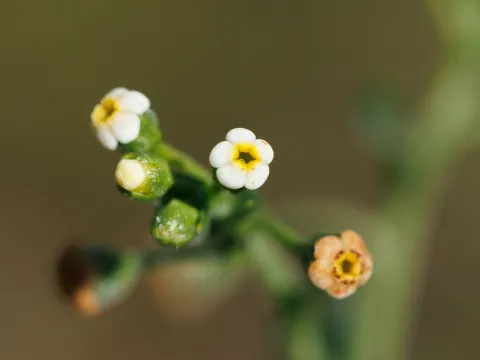
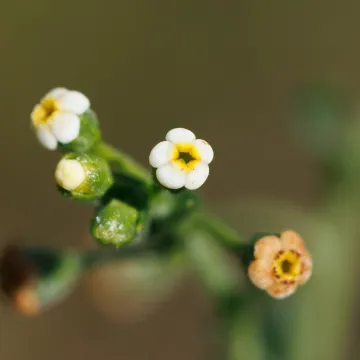
Botanically, Cynoglossum suaveolens features an erect habit with slender, lance-shaped leaves. The flowers are small, tubular, and typically exhibit shades of cream to pale yellow. Its taproot system is well-developed, allowing the plant to reach deep soil moisture levels, which enhances its resilience during dry spells.
For successful production, this crop requires well-draining, loose soils with a neutral or slightly alkaline pH. Proper site selection is crucial, as the plant does not tolerate waterlogging. Field preparation should prioritize soil aeration, and irrigation management should focus on keeping the root zone moist without causing saturation.
- Requires full sun exposure for optimal nectar production.
- Sensitive to heavy clay soils that impede root development.
- Benefits from occasional light pruning to encourage bushiness.
The primary agricultural use of sweet houndstongue is its potential as a honey plant, providing forage for bees. In terms of plant health, growers should monitor for powdery mildew in humid conditions and manage aphids during the early spring growth flush to ensure the plant reaches its full vigor.
Photo gallery