Cynosurus coloratus
Cynosurus coloratus
Description
Cynosurus coloratus is a perennial grass species belonging to the Poaceae family. Known for its resilience in arid environments, this species is recognized in agricultural studies for its potential in pasture management and erosion control, especially in regions with Mediterranean-like climates.
The plant originates from the Mediterranean basin, the Middle East, and parts of Western Asia. It typically thrives in diverse habitats, including stony slopes, arid grasslands, and pastures. Its geographical distribution reflects its high adaptation to regions characterized by seasonal droughts and high sunlight intensity.
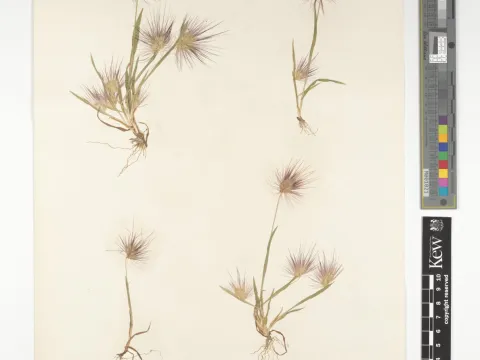
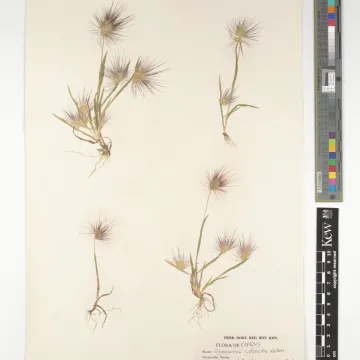
Botanically, Cynosurus coloratus is distinguished by its dense, spike-like panicles that exhibit unique coloration at maturity. It features a robust fibrous root system, which allows it to access deeper soil moisture. The leaves are typically narrow and somewhat stiff, serving as an evolutionary adaptation to minimize transpiration in arid conditions.
Regarding agronomic requirements, the species performs best in well-drained loamy or sandy soils. It is highly intolerant of waterlogged conditions, making proper field drainage essential for successful cultivation. During the establishment phase, weed control is critical as the species has a relatively slow seedling growth rate. Once established, it is fairly drought-tolerant and requires minimal maintenance.
The economic utility of Cynosurus coloratus is focused on sustainable livestock farming. Key applications include:
- Utilizing as a component in pasture mixtures for arid zones.
- Stabilizing slopes to prevent soil erosion.
- Providing early-season forage that remains relatively nutritious if managed correctly.
Like many Poaceae members, this plant is susceptible to common diseases such as rust and powdery mildew, particularly in humid microclimates or dense stands. Pests such as cereal flies and stem-boring insects may affect the yield. Integrated pest management, including balanced fertilization and strategic mowing cycles, is recommended to ensure the longevity and health of the pasture stand.
Photo gallery