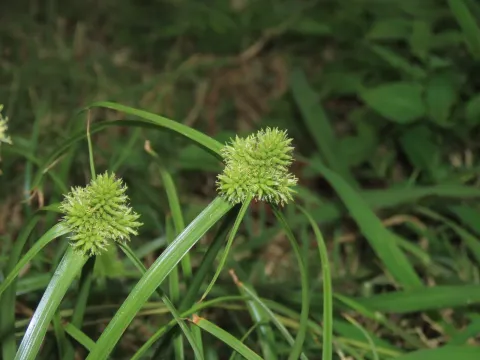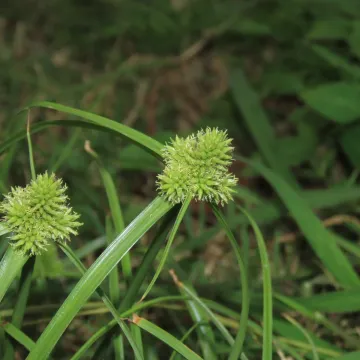
South African flatsedge
Cyperus austroafricanus
Description
The South African flatsedge (Cyperus austroafricanus) is a perennial herbaceous plant belonging to the family Cyperaceae. This species is gaining interest as a potential niche crop, particularly in regions where environmental conditions are suitable for sedge-family plants. Understanding its biological rhythm is crucial for evaluating its performance as a forage or conservation resource in specific agricultural landscapes.
Originating from the southern regions of Africa, this plant is naturally adapted to subtropical climates. Its natural distribution is largely concentrated in moist environments, such as wetlands and savannas that experience periodic rainfall. This evolutionary background makes the plant particularly resilient to fluctuating moisture levels, which can be a significant advantage in areas where traditional irrigation systems are insufficient.
The botanical structure of Cyperus austroafricanus is characterized by a strong rhizomatous root system, which aids in soil binding and perennial regrowth. The stems are typically triangular, a defining feature of the genus, supporting narrow, fibrous leaves. This morphological structure allows the plant to sustain significant biomass production throughout the growing season, provided that moisture and nutrient requirements are met.
Agricultural requirements focus on soil moisture management and nutrient-rich substrates. While the plant is hardy, it requires well-drained but consistently moist soils to achieve maximum yield. Optimal growth is observed in loamy soils where organic matter is abundant. Agronomic practices should include regular monitoring of soil nitrogen and phosphorus levels to support the rapid vegetative development typical of this species.
The primary agricultural use for this plant includes its role as a potential fodder source and a tool for land reclamation. Its extensive root system provides excellent soil stability, making it effective for preventing soil erosion in sensitive watershed areas. While major pests include specific lepidopteran larvae and fungal pathogens that thrive in high-humidity microclimates, proper crop rotation and density control can effectively manage these risks.
Photo gallery