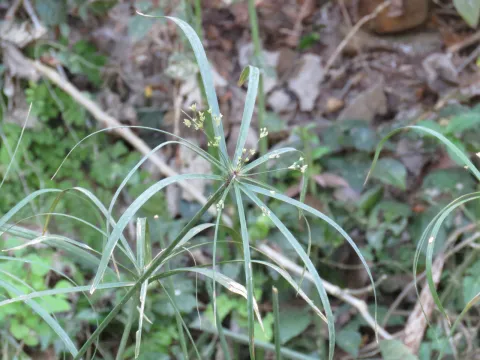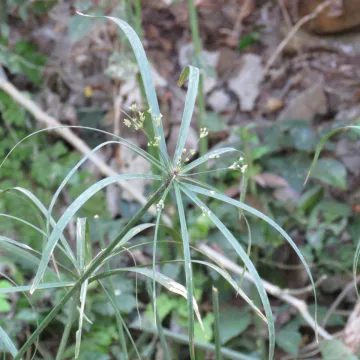
Grey flatsedge
Cyperus canus
Description
Grey flatsedge (Cyperus canus) is a perennial herbaceous plant belonging to the Cyperaceae family. As a significant representative of the genus Cyperus, this plant has adapted to thrive in wetland habitats, marshes, and riverbanks, making it a unique candidate for specific agricultural land utilization.
The native range of this species is primarily concentrated in the tropical and subtropical regions of the Americas, stretching from Mexico to parts of South America. It is well-adapted to warm climates where consistent soil moisture is available throughout the growing season, allowing it to dominate in environments that would typically be challenging for standard cereal crops.
Botanically, Cyperus canus is distinguished by its robust root system and upright, firm stems that can grow quite tall. The leaves are typically narrow and basal, supporting the plant’s structural integrity. The inflorescence usually consists of umbellate clusters that produce abundant seeds, ensuring efficient natural propagation in its native ecosystem.
Agricultural requirements for this crop focus on high water availability and nutrient-rich, moist soil. The plant thrives in full sun and requires protection from frost, as it is highly sensitive to cold temperatures. Proper management involves maintaining consistent moisture levels and providing sufficient nitrogen for optimal vegetative growth of the harvestable stems.
The primary economic use of this plant lies in its fiber production. The stems of Cyperus canus are valued for their tensile strength and flexibility, making them a premium material for manufacturing woven goods, such as mats, baskets, and natural floor coverings. It is also increasingly recognized for its role in biofiltration and water purification systems.
- High water tolerance
- Strong, flexible fiber source
- Potential for wetland restoration
- Natural pest resistance in aquatic habitats
Common phytosanitary issues include fungal infections of the roots caused by stagnant water without adequate oxygenation. While the plant is generally hardy, it can be susceptible to spider mites and scale insects in drier conditions, necessitating regular monitoring to maintain plant vigor and overall yield quality in a commercial setting.
Photo gallery