Cyperus corymbosus
Cyperus corymbosus
Description
Cyperus corymbosus is a perennial herbaceous plant belonging to the Cyperaceae family. Known commonly as a type of mat sedge, this species is characterized by its robust underground rhizomes and upright stems that thrive in wetland ecosystems. It is a significant crop in various tropical regions where it has been traditionally cultivated for centuries.
The native range of Cyperus corymbosus encompasses tropical and subtropical areas, particularly across Africa, Asia, and parts of Australia. The plant is perfectly adapted to riparian zones, riverbanks, and marshy areas where seasonal flooding is common. It thrives in soils that remain constantly moist and are rich in alluvial organic matter.
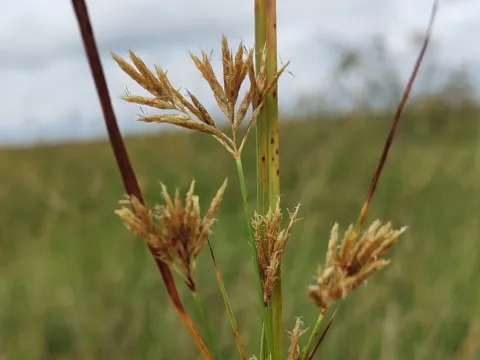
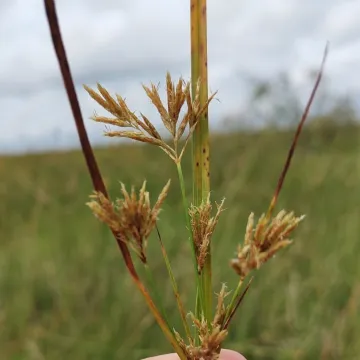
Botanically, this species is defined by its tall, slender, and smooth stalks that terminate in complex corymb-like inflorescences. The root system is highly efficient at nutrient uptake, contributing to the plant's rapid growth rate. The leaves are generally basal, providing a dense structure that is ideal for fiber production and soil stabilization.
Cultivation requires specific environmental conditions, primarily abundant water and consistent warmth. Successful agronomy involves maintaining the water table at or slightly above the soil surface during the active growth phase. While the crop is hardy, providing balanced nutrient management, particularly with nitrogen and potassium, significantly enhances the flexibility and length of the harvested fibers.
The economic utility of Cyperus corymbosus is centered on its fiber properties:
- Crafting of durable floor mats, woven baskets, and traditional handicrafts.
- Use in the textile industry for manufacturing natural cordage and fiber mats.
- Environmental applications, including phytoremediation of contaminated water and riverbank protection against erosion.
- Potential as a sustainable material source for light construction and interior design elements.
Like many wetland crops, this plant is susceptible to fungal pathogens like leaf spot and root rot if water circulation is insufficient or if the plant remains over-saturated for prolonged periods. Common pests include various stem-boring insects and sap-sucking mites. Sustainable management involves regular field monitoring, proper spacing to ensure adequate air circulation, and the implementation of crop rotation practices to break pest life cycles.
Photo gallery